When you’re planning a whole-house renovation for your villa or apartment, window selection is one of those decisions that can keep you up at night. I’ve been helping homeowners with this choice for nearly two decades and the awning windows vs casement debate comes up in almost every consultation.
Here’s what I’ve learned after installing windows in luxury properties across 58 countries – both are great, but they serve completely different purposes in your home. Understanding their unique strengths will change how you approach your renovation project.
Key Points
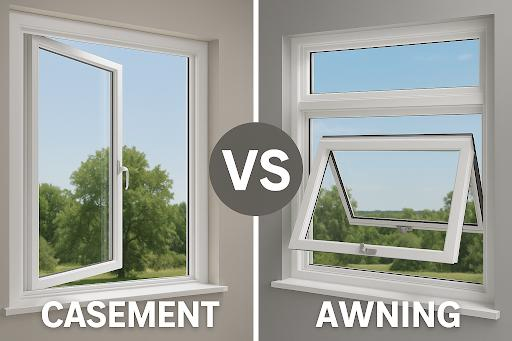
- Casement windows hinge on the side and open like doors, offering better views, natural lighting, and emergency egress
- Awning windows hinge at the top and open from the bottom – providing superior weather protection and security
- Although awning window open 90 degrees or more, casement windows offer better ventilation by catching cross-breezes
- Cost of awning windows vs casement is nearly identical – casement windows are typically slightly more expensive
- Casement windows are easier to clean from inside, while both offer similar excellent energy efficiency and sound insulation
- Awning windows excel for safety when positioned high, while casement windows provide better emergency exits
- Room function and climate conditions determine which style works best for your renovation needs
What are Casement Windows?
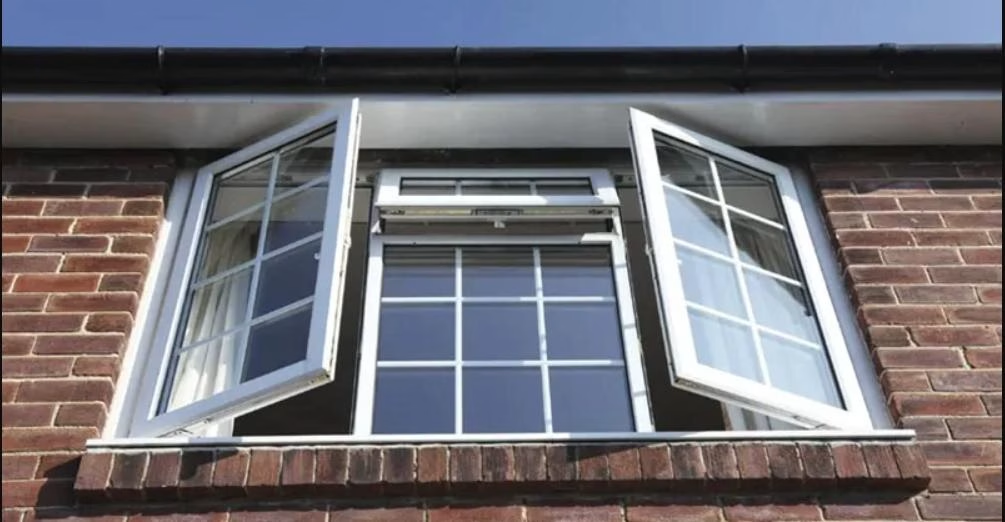
I always call casement windows the “French doors” of the window world. They’re hinged on either the left or right side and swing outward with a crank. Are casement windows better for some situations? Absolutely, and here’s why.
These windows are taller than wide so they’re perfect for maximizing vertical views and natural light. When fully open, they can open up to 95 degrees and create great cross ventilation that pulls fresh air through your living spaces.
What I love most about casement windows is their versatility. You can install one unit for an intimate space or multiple units for a dramatic wall to wall installation. The crank mechanism makes it easy to operate even larger sizes and the multi-point locking system is super secure.
Another crucial part of casement window is the compression seal, which when closed, is amazing for energy efficiency. Unlike sliding windows, casement windows create a seal around the entire perimeter so there’s less air leakage and energy costs.
What are Awning Windows?
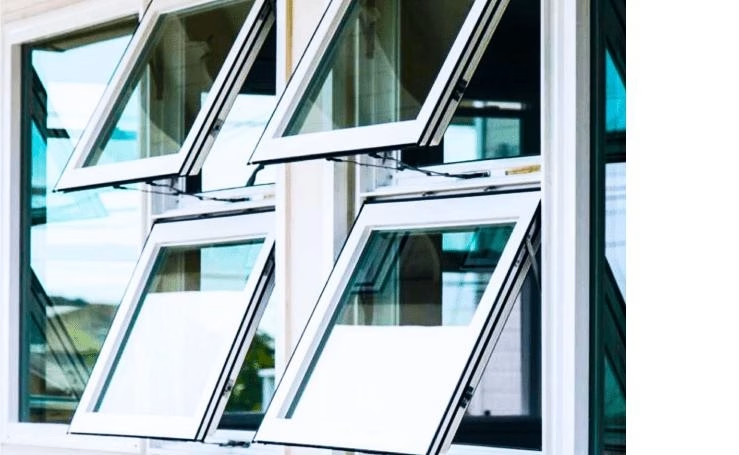
What is an awning window? Imagine a window that opens like a car hood – hinged at the top and opening out from the bottom. This creates a natural awning that keeps the rain out and the air in.
Awning windows are wider than they are tall, perfect for spaces with limited wall height. Here’s where they stand out – they’re the only window style that can stay open during light rain and not let water in. The outward angle directs the water away from your home’s interior.
I’ve found that modern farmhouse window awning designs, in particular, look awesome with their clean horizontal lines. You can stack or arrange them to create a stunning architectural statements while still being functional.
Which is Better: Casement or Awning Windows?
Having worked on more than 1,000 projects per year, I can tell you that there’s no one-size-fits-all “better” choice. Here’s how each fares in important categories:
Ventilation: Casement windows serve as scoops, catching cool breezes and driving them into your home – no windows resist prevailing winds like casement windows do. Awning windows, on the other hand, produce stack ventilation: warmer air rises and leaves, while cooler air enters from below, which results in natural air circulation independent of the presence of wind. Either way, both styles easily help you meet building code ventilation standards.
Views and Natural Light: It’s all about casement windows here. Their large stature and unobstructed opening capability create impressive views that connect your interior and exterior living spaces. It’s ideal when upgrading a property with beautiful unobstructed countryside views.
Energy Efficiency: They are both highly efficient and meet the National Fenestration Rating Council (NFRC) standards. Casement windows have compression seals that actually tighten under wind pressure – i.e., they work better in high winds. Awning windows are great at sealing too, and are able to accommodate those vertical temperature variations effectively.
Expert Recommendation
Custom Project Windows
For villas, apartments, hotels, and resort renovations, the right window choice should consider opening size, wind pressure, ventilation, privacy, cleaning access, and how the window style matches the full interior package. George Construction Group can customize casement, awning, and combined window systems for project-based needs.
View Custom WindowsEase of Cleaning: Both aren’t the easiest to clean from the outside, but casement windows offer a little more access to clean outside glass from inside your home.
Cost Consideration: The cost of awning windows vs casement windows is actually more similar than you might imagine. Quality awning windows usually cost between $350-750, and it is $400-850 for casements. Most price variations are due to size, materials and hardware quality, rather than the style of opening.
Sound Insulation: Both of them have great sound insulation due to having a good seal. Well-installed units can cut out 75 percent or more of exterior noise when compared with older window types.
Safety & Security: Casement windows provide a more effective means of emergency egress for bedrooms and living areas, which is important for meeting building code egress requirements. Awning windows provide natural security, as it is hard to reach them from the outside if installed correctly.
When Should You Choose Casement Windows?
Based on my villa and apartment renovation experience, I recommend casement windows for:
Living Rooms and Great Rooms: The views and light are so expansive and beautiful, making social spaces feel bigger and more inviting. I’ve seen living rooms completely transformed by floor-to-ceiling casement installations.
Master Bedrooms: When privacy isn’t a concern, casement windows provide beautiful views and great cross ventilation for comfortable sleeping.
Bathroom Casement Window Applications: For master bathrooms where neighbors can’t see in, casement windows provide better moisture control and natural light.
Home Offices: Unobstructed views reduce eye strain and create inspiring work spaces. Clients tell me their productivity increases with casement window installations.
Dining Areas: These create beautiful connections between indoor dining and outdoor patios or gardens, perfect for entertaining.
When Should You Choose Awning Windows?
Here’s where I consistently specify awning windows:
Basement Renovations: Awning windows for basements is perfect because it maximizes wall space and provide ventilation and natural light. I’ve done many basement apartments this way.
Kitchen Applications: An awning window in kitchen positioned above a sink or countertop provides ventilation while cooking. They won’t interfere with cabinets or window treatments.
Bathroom Privacy Solutions: Install higher on walls for privacy and ventilation. Great for shower areas where you need airflow but want modesty, and still meet indoor air quality requirements for moisture control.
Modern Design Projects: For modern farmhouse aesthetics, window floors awning style look great with horizontal siding and clean lines. I often group them together for dramatic effect.
Tight Spaces: Where casement windows would interfere with walkways, patios or landscaping, awning windows are the way to go.
Weather-Protected Areas: Covered porches, sunrooms or areas that need ventilation regardless of weather conditions benefit from awning windows.
Micro Case Snapshot
A Better Window Mix for a Full-Home Renovation
In whole-house projects, choosing only one window style can create practical problems. A balanced window plan often works better than forcing casement or awning windows into every room.
Pain Point
A villa renovation needed better views in the living room, more privacy in bathrooms, and reliable ventilation in the kitchen without affecting cabinet layout.
Solution
Casement windows were used for open-view spaces, while awning windows were planned for bathrooms, kitchen areas, and higher wall positions where privacy and rain protection mattered.
Result
The project achieved better room-by-room comfort, cleaner exterior consistency, fewer layout conflicts, and a window package that matched the cabinets, bathroom design, lighting, and furniture plan.
Send your drawings, room list, or renovation scope for a project-based window recommendation.
Summary
Choosing between awning windows vs casement windows is not about finding the “best” awning or casement window – it’s about finding the right one for your specific needs and style. Both can be stunning when chosen wisely.
At George Construction Group, we’ve been helping homeowners make these decisions since 2006. With our huge showroom and direct manufacturing, we can customize either style to fit your renovation vision.
Ready to make the right choice for your project? Click here to see our full window collections now!
Meta Description: Are you debating between awning windows vs casement for your renovation? I’ll help you choose the perfect style based on ventilation, views, cost, and your specific needs.
Plan Your Full-Home Material Package
Need Casement, Awning, or Custom Windows for Your Project?
George Construction Group supports villa and apartment renovation projects with custom windows, doors, cabinets, bathroom products, bathroom space planning, furniture, lighting, and other home materials. Send your project details below, and our team can help you choose the right window style together with the full material package.
- Room-by-room window type recommendation
- Custom sizing for villas and apartments
- One-stop support for full-home materials