Windows do more than just let in light—if installed correctly, they provide the comfort, style, and energy performance of your home. Of all window types, casement windows are a favorite among villa and condominium dwellers. They open and close wide for ventilation, close up tight for heat retention, and add a clean, crisp look to any space.
But the point is, most homeowners don’t even know what is included in a casement window. From the robust frame and aerodynamic glass to the details like hinges, handles, and seals, each of these plays its role. Being aware of these parts isn’t just for the sake of it—it helps you choose the right materials, maintain your windows properly, and even increase your home’s value.
In this guide, we’ll walk through the essential parts of a casement window one by one. With easy explanations, visuals, and a handy comparison table, you’ll see exactly how each part works, why it matters, and which options are best suited for villas or apartments.
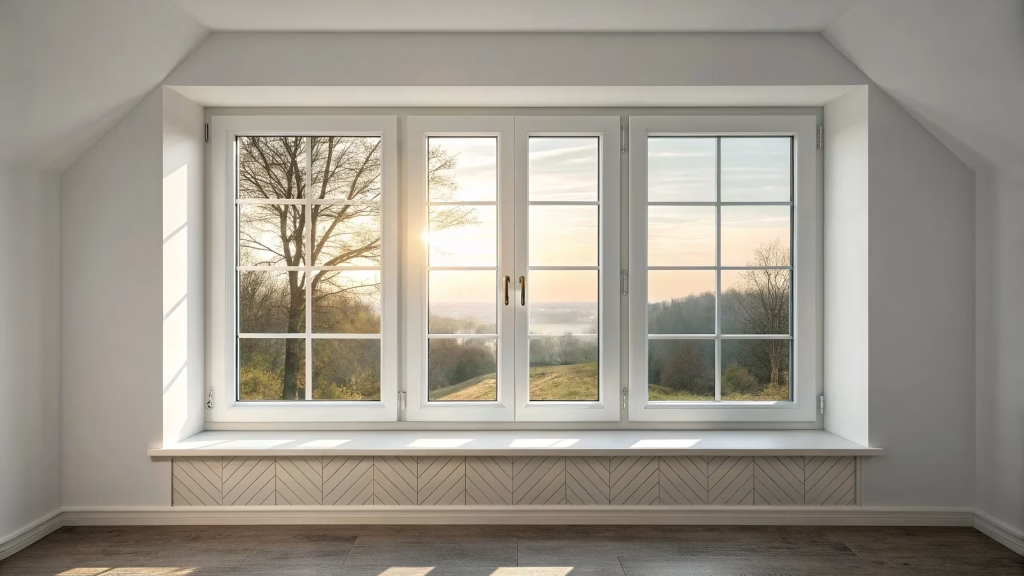
A Simple Introduction to Casement Window Parts
Casement windows are one of the most popular choices for villas and apartments both, and for good reason. They open wide to let in the fresh air, close tight to keep out drafts, and contribute a stylish, modern appearance that’s perfect for almost any room. And, they’re simple to clean and durable, so they’re a preferred long-term solution for homeowners who want beauty and versatility.
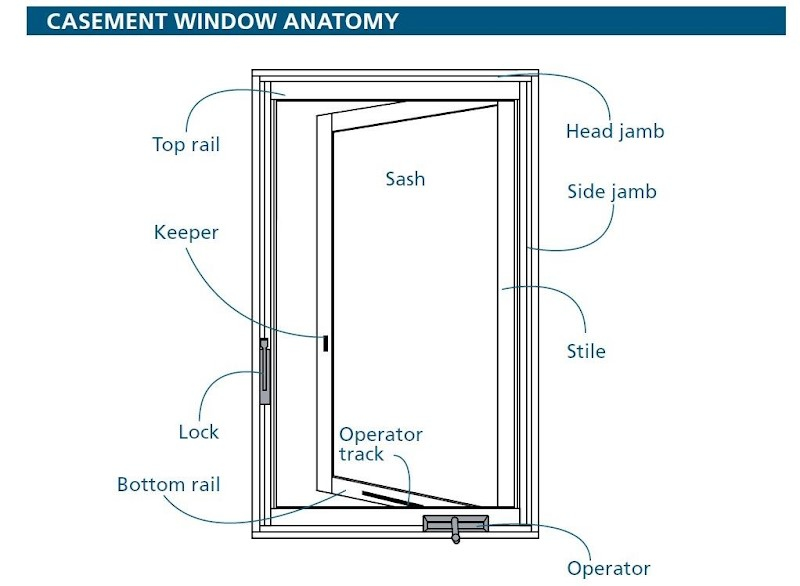
If you’re new to casement windows, it helps to know the basic parts that make up their design. Here are the main components:
- Frame – The outer structure that holds everything in place.
- Sash – The movable panel that swings open and shut.
- Hinges – Allow the sash to pivot, usually located on the side.
- Handle/Crank – Used to open and close the window smoothly.
- Locking Mechanism – Multipoint locks that keep the window secure.
- Weatherstripping – Seals around the sash to block drafts and improve insulation.
- Glazing (Glass Pane) – The actual glass, often double or triple-glazed for energy efficiency.
- Screen – Keeps insects out while letting in fresh air (optional but common).
Here is a casement window parts diagram:
And if you’re thinking about getting new windows, you’ll also want to check out this guide on how to choose the right casement window size for your home—it’s the perfect next step to make sure your windows are both functional and stylish.
Understanding Casement Window Parts
Casement windows may seem simple at first glance, but they are made up of numerous important parts in combination to provide style, functionality, and durability. Whether you live in a modest apartment or a lavish villa, understanding the casement window parts diagram can be an enormous advantage when selecting upgrades, diagnosing repairs, or even choosing the ideal type for your home.
And here’s a closer examination of every critical element of a casement window—and why it matters for comfort and long-term worth.
Casement Window Frame
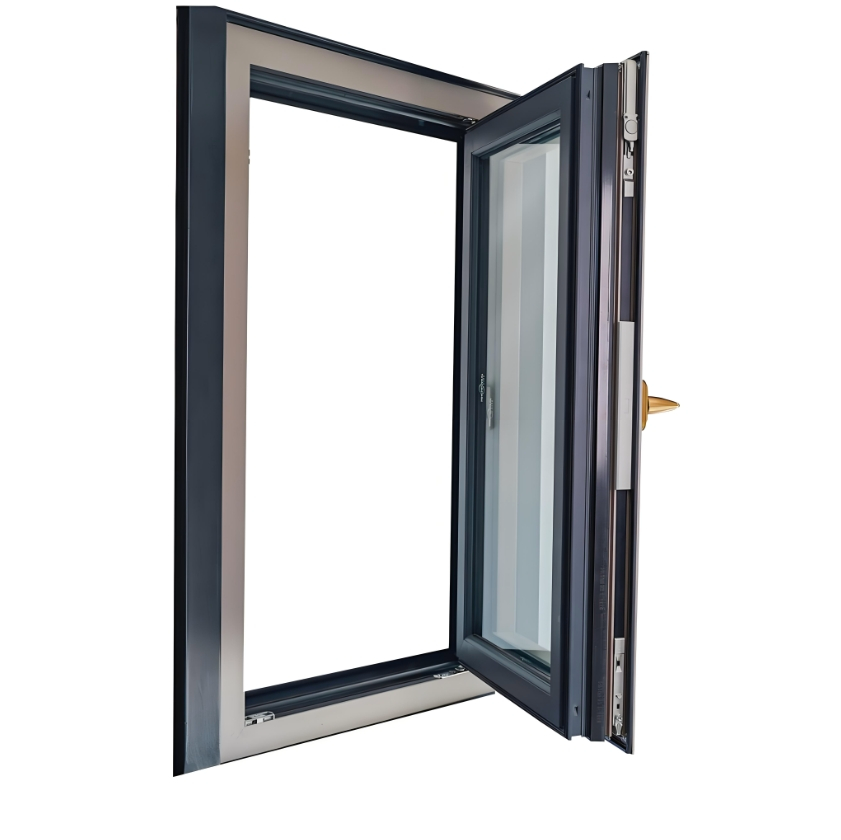
The Casement Window Frame is the support backbone of the whole system, keeping everything stable. Frames come in different materials like uPVC, aluminum, and wood, with each its own set of benefits.
For example, vinyl casement windows (uPVC) are low-maintenance, inexpensive, and can fit into apartments. Alternatively, an Aluminum casement window is thin, durable, and best for villas where the glass panels are larger in size. For those who wish to give it a warm, traditional look, wood casement windows convey luxury and sophistication, used mostly in luxury houses.
If you’re exploring frame options for your own project, check out our casement windows guide to see which material fits your needs best.
Casement Window Glass
The Casement Window Glass doesn’t just control how much light enters—it also impacts insulation, safety, and privacy. Double-glazed options are excellent for bedrooms where peace and quiet matter most. Tempered glass, on the other hand, offers extra strength and is ideal for kitchens or bathrooms.
For energy-efficient homeowners, Low-E glass repels warm outside and lets sunshine in, and it’s a lifesaver for villa-dwellers facing the sun and apartment owners on high floors. The right selection can reduce electricity costs and make your house warm and toasty throughout the year.
To explore different configurations, see our inward-opening casement windows, which combine efficiency with style.
Casement Window Screens

Casement window screens let in fresh air while keeping out dust and insects. You can use traditional meshes or sophisticated ones like fine anti-pollen screens—perfect if your home is situated near a garden or a traffic road.
For stronger options, metal window screens offer strength and security in equal proportions, and that is why they are best used in villas or ground-floor apartments. Moreover, newer designs can be removed with ease for cleaning, adding to daily ease.
You can explore styles such as the casement window screen 1 or casement window screen 6 to find the right match for your space.
Casement Window Handle
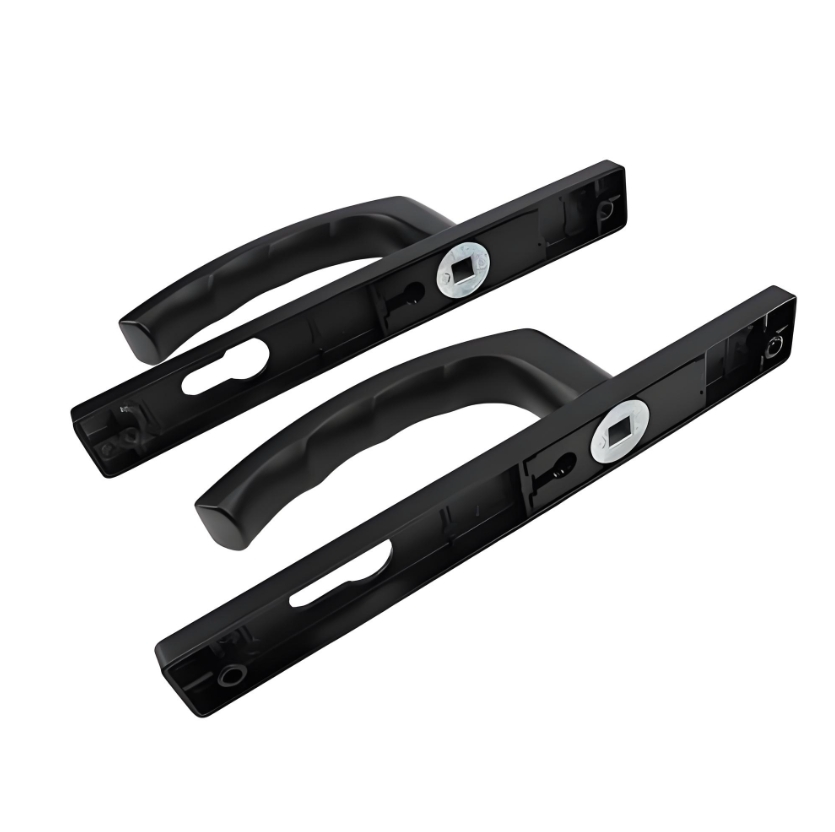
The handle could be compact in size, yet it’s strong—it’s what allows you to operate your window efficiently. Today, there are numerous choices available that range from simple levers to a casement window lock handle that offers an elevated level of safety.
If you reside in a ground-floor villa or share with children, a secure casement window lock isn’t on. For modern living, a motorized casement window opener brings luxury and convenience, enabling you to control airflow at the touch of a button.
Handles are occasionally found in a casement window hardware pack, making it easy to replace or upgrade them without trouble.
Casement Hinges
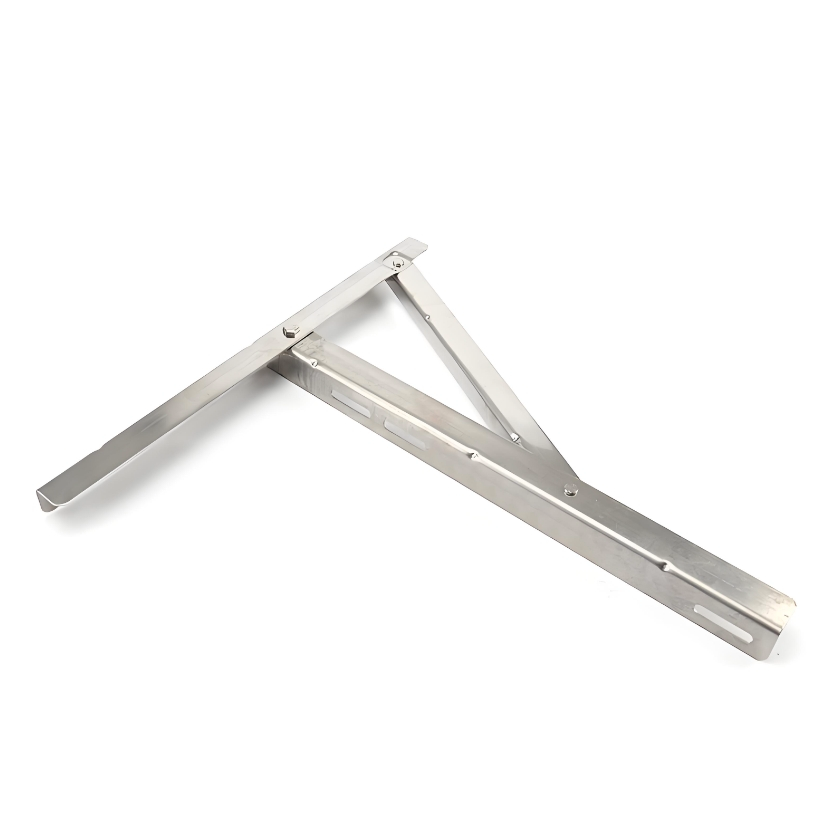
Casement window hinges are less of a showstopper, but they determine whether your window opens smoothly or otherwise. Friction hinges are the traditional ones that allow you to leave windows sash-like, open at any angle you desire, but hidden casement window hinges give a smooth appearance suitable for contemporary apartments.
For large rooms or villa installations, top hung window hinges give the best support and ventilation, safeguarding your windows even in windy weather conditions. An appropriate hinge can increase the longevity of your windows and enhance the comfort of functionality on a daily basis.
Casement Window Drainage System
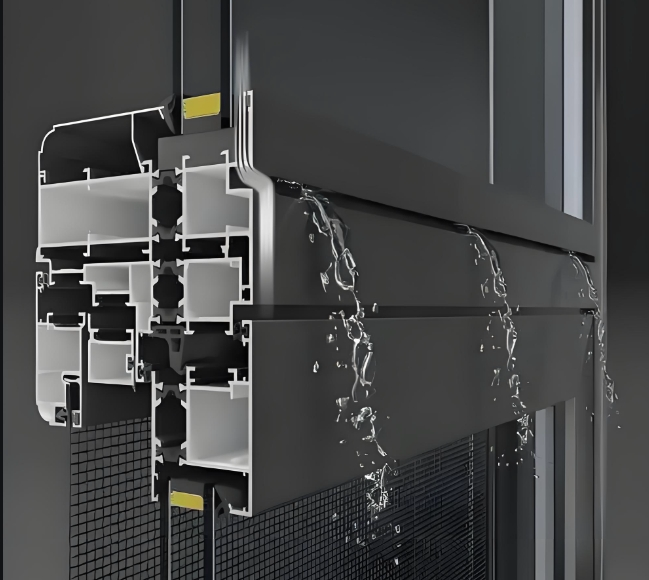
Drainage is not often something that is paid much heed to, but it is one of the most essential parts. Without drainage, rainwater could seep inside, and this could lead to the destruction of walls, floors, or even your furniture.
Quality drainage design is required in locations with coastal flooding risks or high-rise buildings where there is heavy rainfall. It quietly protects your house from water damage and leaks—testimony that at times the finer points are the most significant.
Casement Window Sealing Strip
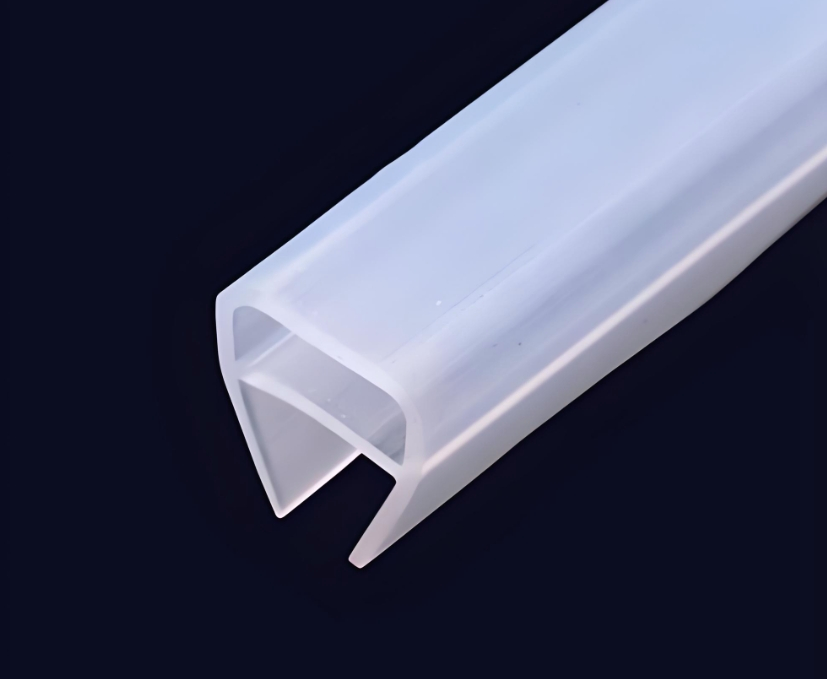
It is the sealing strip which provides your house with air-tightness. It keeps out the dust, noise, and drafts from penetrating through gaps and leaves the place warm and energy-efficient.
If you live in a villa, this translates to lower bills and comfort all year round. To city apartment residents, sealing strips are an absolute necessity for stopping traffic noise and pollution. Combined with a heavy casement window sash, they guarantee all windows to close securely.
Casement Window Grilles
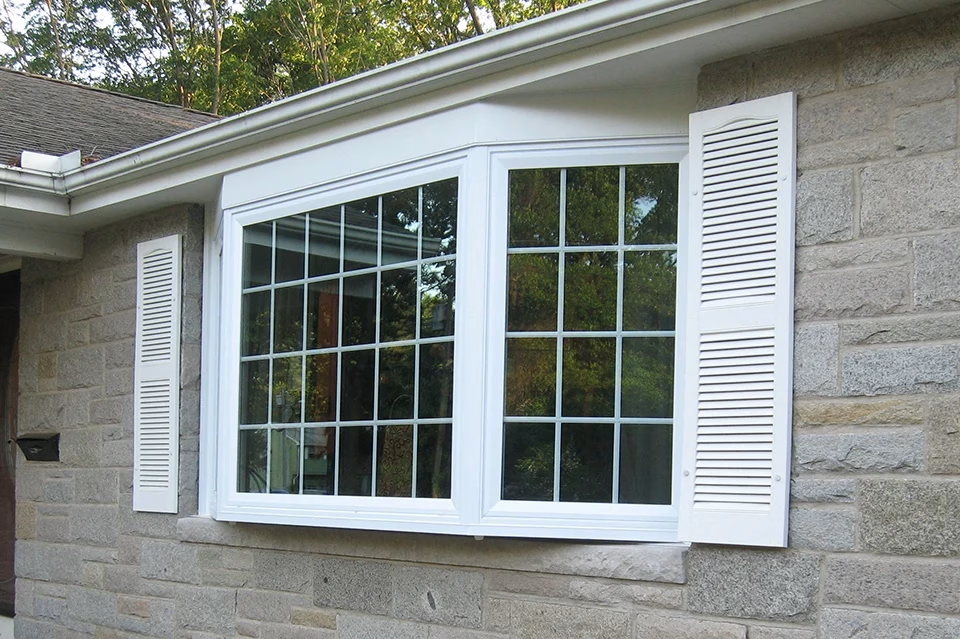
Lastly, grilles are both safe and stylish. Villas enjoy elaborate grille designs for that extra pinch of personality and flair, but apartments rely on simple, contemporary ones.
Combined with a heavy casement window lock and opener, grilles not only add beauty to your home but also render it safe. The little touch has such a big influence on how the windows add beauty to your whole home.
Here is a quick rundown of the different parts of a casement window:
| Part | Purpose |
| Frame | Holds the entire window together |
| Sash | Moves to open and close the window |
| Glass | Lets in light and provides a view |
| Hinges | Allow the sash to swing open |
| Handle/Crank | Used to open and close the window |
| Lock | Keeps the window secure when closed |
| Seal | Blocks air, dust, and water |
| Screen | Keeps bugs out while letting air in |
How to Maintain the Parts of a Casement Window
Even top-of-the-line casement windows require some maintenance in order for them to remain functional and still be presentable. With a bit of maintenance, the windows of villa residents and apartment tenants can remain in good working condition for several years. How:
- Clean regularly
Clean the Casement Window Glass, frames, and screens every few weeks. Cleaning glass not only brightens up your room but also helps prolong the life of materials such as wood casement windows or aluminum casement windows. Screens may be soft-brushed or vacuumed to ensure airflow is free and dust-free.
- Lubricate moving parts
Handles, hinges, and casement window openers function optimally when lubricated. A simple spray of silicone lubricant on casement window hinges or even motorized casement window openers prevents them from becoming stiff and makes them simple to use every day.
- Check seals seasonally
Sealing strips and the edges of casement window sashes wear out over time. Check them at the beginning of each season to make sure that they are still sealing the drafts, dust, and noise. This is particularly required for apartments exposing their facades to busy roads or villas with high wind exposure.
- Keep drainage clear
Casement windows are equipped with drainage grooves to prevent rain seepage. Clean them periodically to prevent clogging, particularly in coastal villas or urban flats where rainwater and dust may collect fast.
- Arrange annual inspections
Regardless of regular maintenance, it’s prudent to have your casement windows checked by a professional at least annually. Whether you reside in a villa with gigantic bespoke windows or an apartment where rain and pollution catch up with them, annual servicing promises long-term performance.
For inspiration on choosing durable, long-term solutions, take a look at this list of the Top 10 Quality Window and Door Manufacturers 2024.
Coastal Villa: The Seamless Whole-House Solution
Conclusion
Casement windows are more than a stylish design option—they’re functional, long-lasting, and low-maintenance if you learn the fundamentals. From lubrication and cleaning to seal checks and annual inspections, a little TLC keeps your windows in great condition. Whether you reside in an apartment in the city or a large villa, proper maintenance guarantees your casement windows keep on delivering comfort, airflow, and flair for years to come.
If you’re ready to upgrade or explore your options, George Construction Group has you covered. As a One Stop Building Solution Provider, we offer a wide variety of high-quality casement windows designed to suit different spaces and needs. Take a look at our collection today and see how the perfect window can transform your home.
Bring Your Villa or Apartment Vision to Life
Understanding your casement windows is just the first step. True luxury lies in a unified space where every element—from the high-performance window frames to the custom kitchen cabinetry, lighting, and bespoke furniture—speaks the exact same design language.
Skip the headache of managing a dozen different suppliers. As your dedicated one-stop building materials partner, we provide complete, full-house custom solutions. Submit your project details or floor plans below for expert material matching and a complimentary premium bathroom space design layout. Let’s build your sanctuary.