Thinking of renovating your bathroom or moving into a new home and looking to upgrade the bathtub? The right bathtub size is important for both comfort and function. The last thing you want is to buy a tub that’s too small and deprive yourself of that relaxing soak you’re looking for. Pick one that’s too big and you’ll be dealing with installation headaches, wasted space, and perhaps even plumbing problems.
This in-depth article shares everything you’d ever want to know about bathtub sizes, including standard bathtub dimensions, how to take your bath space measurements, and where to find some of the most popular tub types. But by the time we’re through, you will be confident in choosing a tub that’s right for your space and your life.
What is the Standard Size of a Bathtub? – Perfect Bathtub Dimensions
The term “standard bathtub size” can pertain to any of these things and it is a little misleading. Standards will vary by country and type but generally speaking, most American bathtubs fall into these ranges:
- Size: 60” (about 5 feet)
- Width: 30–32 inches
- Height/Depth: 14–16 inches
Intended for personal comfort and convenience, the height of the seat complies with standards that create comfort and also fit most home bathrooms and alcoves.
Why Standard Sizes Matter
And the practice stands to make installation and replacement less of a headache; homeowners can rely on a smooth, affordable process, whether revamping a guest bath or bringing on a new build.
Both the plumbing fixtures (it’s actually very sophisticated and high-tech stuff) and the tiles, as well as shower walls, should also comply with these tub sizes so that unexpected costs don’t creep up while designing your bathroom.
But what makes for the perfect bathtub is unlikely to be one size fits all. And of course, this is why you should always keep options open!
Detailed Bathtub Size Categories
Not every bathroom, or household, has the same needs. Let’s break down bathtub sizes by type, purpose, and special situations so you can confidently choose the right option for your home.
Small Bathtubs
- Length: 48–54 inches
- Width: 28–30 inches
- Height: 14–16 inches
Best for: Tiny bathrooms, apartments, powder rooms, or combos with a shower
These tubs make the most of limited space while allowing for a comfortable soak. Consider a small alcove or corner tub if space is tight.
Standard Size Bathtubs
- Length: 60 inches
- Width: 30–32 inches
- Height: 14–16 inches
Best for: Typical single-family homes, most household baths
This is the category you’ll see in most residential bathrooms—fits one adult comfortably, suitable for daily use.
Large or Luxury Bathtubs
- Length: 66–80 inches
- Width: 32–42 inches
- Height: 20–24 inches
Best for: Primary suites, big families, spa-like luxury, or households with taller users
Large soaking tubs or garden tubs create a luxurious, immersive bathing experience.
Quick Comparison Table: Bathtub Types & Sizes (Standard bathtub size)
Type | Length (inches) | Width (inches) | Depth (inches) | Special Features |
Alcove | 54–72 | 30–32 | 14–20 | Fits three walls, often paired with a shower |
Drop-In | 45–72 | 30–32 | 14–20 | Installed inside frame/deck, customizable surround |
Freestanding | 55–72 | 27–32 | 15–20 | Versatile location, strong décor statement |
Corner | 60 | 60 | 18–22 | Triangle footprint, seat options |
Clawfoot/Oval | 54–72 | 30–40 | 24–30 | Traditional style, deep soaking |
Whirlpool/Jetted | 60–72 | 32–36 | 18–24 | Jets for massage, luxury relaxation |
Walk-in/Accessible | 48–60 | 28–32 | 36–40 | Door, seat, low threshold for easy entry |
Japanese Soaking Tub | 40–60 | 40–55 | 22–30 | Compact, deep immersion |
Garden Tub | 60–70 | 42–50 | 24–30 | Built for luxury, wider and deeper |
Long Bathtub | 66–72 | 30–36 | 18–22 | For taller users, extended soaking |
Bathtub Depth and Comfort
That depth, how much the bottom of the tub is below the overflow drain, is just as important as length and width.
- Standard soaking depth: 14–20 inches
- Deeper tubs (soaking, garden): 24–30 inches and deeper
- Walk-in/accessible: Higher so that it is easier to get in and ambient water levels can be changed
The variation of the liquid level influences the comfort and the demand for hot water. Deeper tubs will require more hot water capacity, so before adding an extra-deep model, make sure your water heater can accommodate the size.
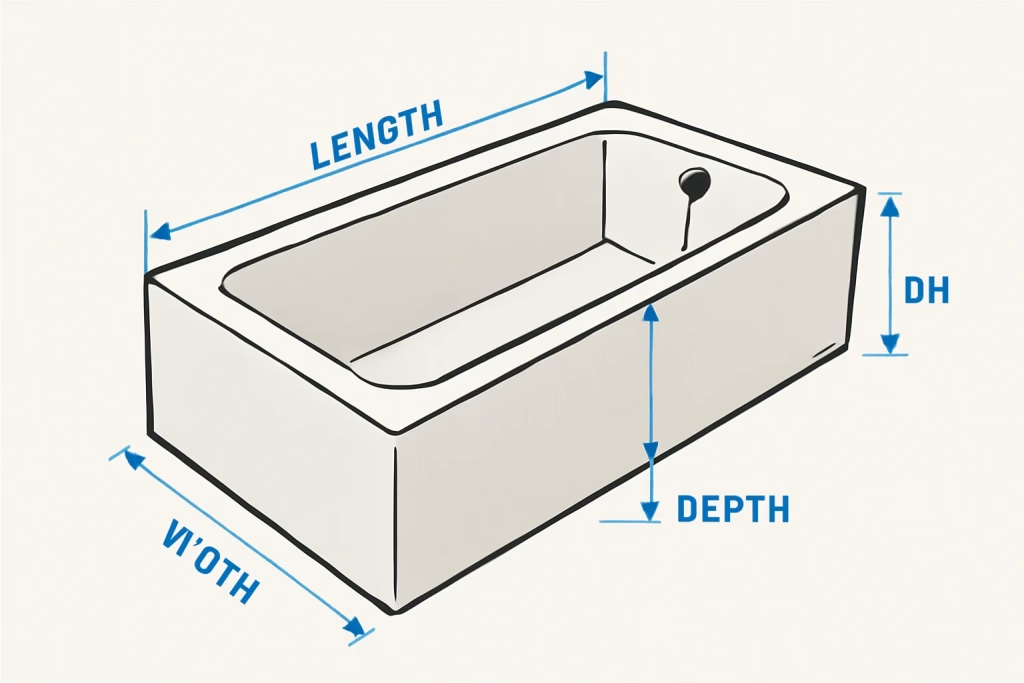
How To Measure Bathtub Dimensions – Standard Bathtub Size.
Replacing or upgrading your tub? Don’t guess. And, as for fit, precise measurement is everything. Here’s how you should measure:
Step-by-Step Guide
Length: Just measure from the outside edge of one end to the outside edge of the other end at the longest point.
Width: Measure from side to side at the tub’s widest point.
Depth: Beginning at the bottom (interior) of the tub, measure the inside height in inches of the tub to the overflow drain—not the rim of the tub.
Interior Measurements: The usable soak area is smaller than the exterior bathtub dimensions, indicating the wall thickness of the tub.
Space Available: Measure the desired installation space (wall to wall, corner, freestanding) and account for wall tile, trim, and any storage/fixtures.
Doorways and Pathways: Be sure you can get the new tub through the halls and doors!
Plumbing Position: Please bring the drain location (left, right or center) of your original base to avoid wrong drain location installation.
Types of Bathtubs and Their Sizes – Best Size Tub for Your Bathroom
Consider all the options before determining what kind of tub is best for you. Here, I share the most common types you’ll encounter as a homeowner, their average sizes, and unique benefits:
1. Alcove Bathtubs
Features: Three-wall alcove installation, space-saving, simple shower-tub combo.
Standard Size: 60″ x 30″/32″ x 14″/16″
Why choose: Functional for the home, good for busy families, and small spaces.
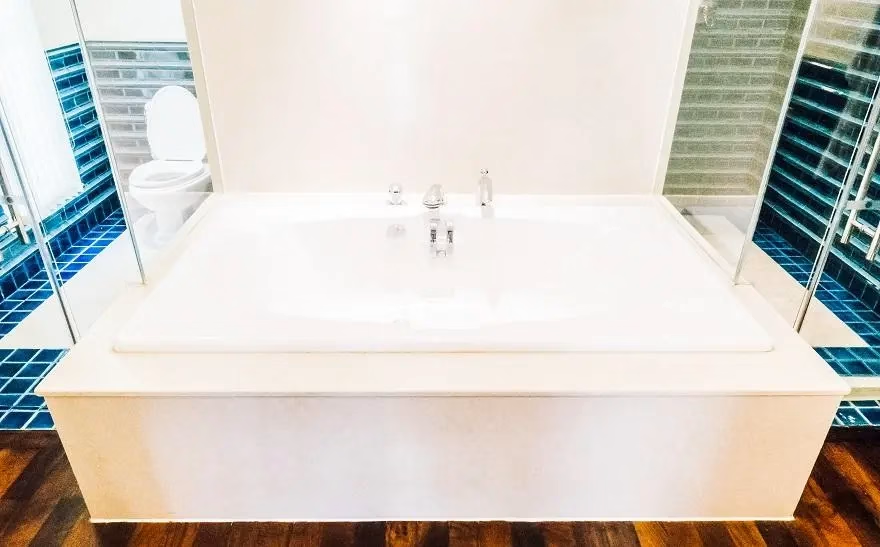
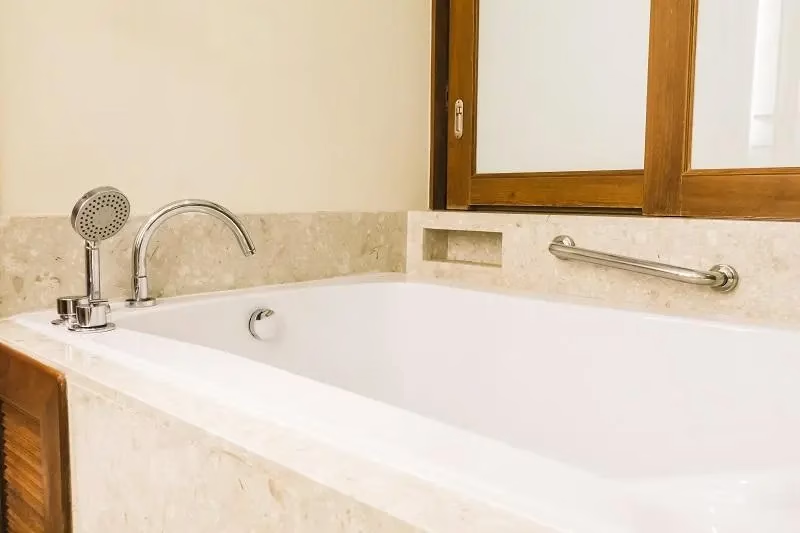
2. Drop-In Bathtubs Dimensions
Product Features: Tub is dropped into a pre-built deck or into a framework.
Size Range: Length 45″- 72″; Width 30″- 32″.
Why choose: Perfect frame for custom tapering tile, luxurious look.
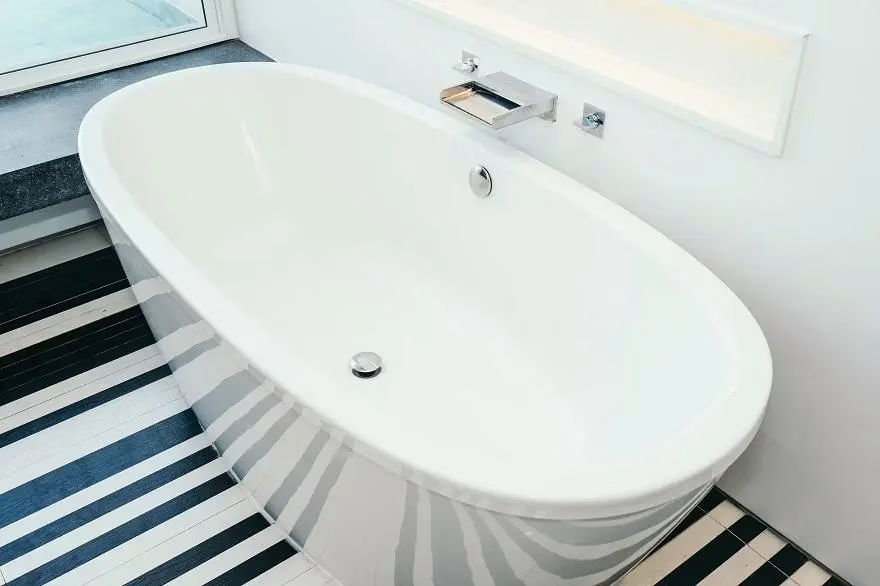
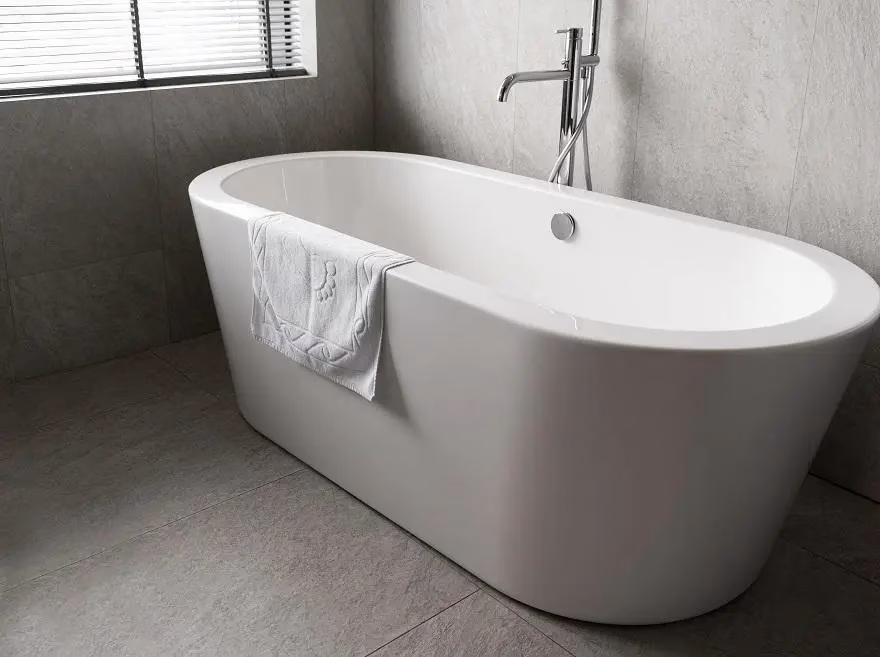
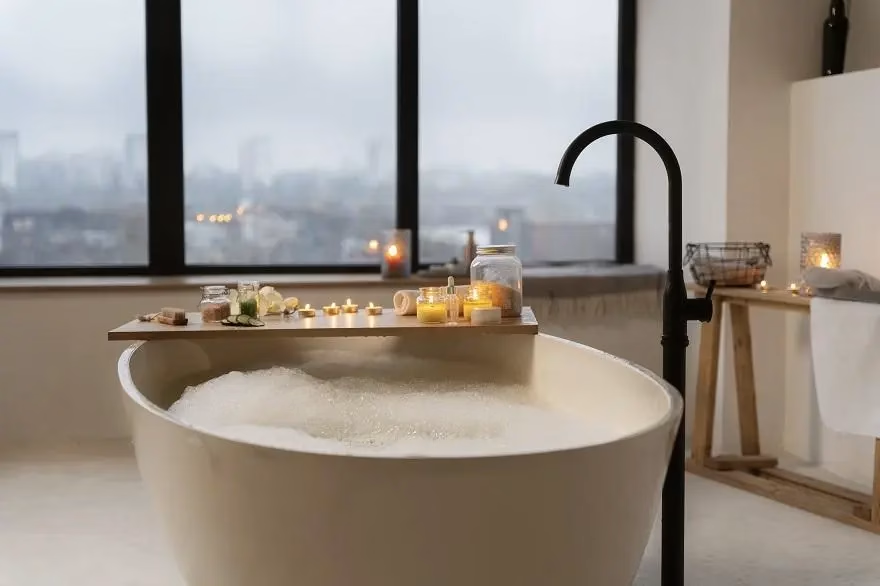
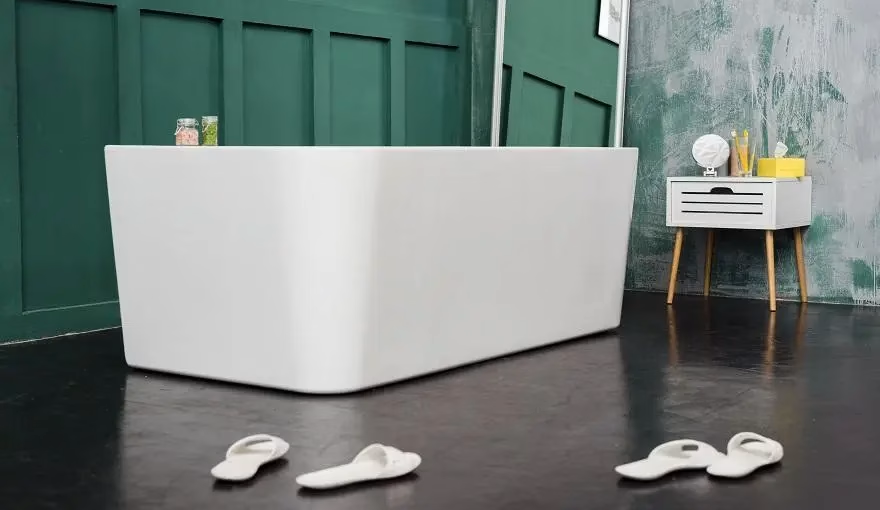
3. Freestanding Bathtubs Dimensions
Product Features: Stands alone with no wall attachment; adds beauty and visual interest.
Available Sizes: 55″-72″ length; 27″-32″ width; up to 24″ deep.
Why choose: Aesthetically, visually appealing and versatile mounting bathroom sinks, ideal for large bathrooms and contemporary designs.
4. Corner Bathtubs
Key Features: Triangle shape; fits into corners, sometimes features seating or broader ledges.
Available sizes: 60″ x 60″ x 18–22 inches deep.
Why choose: Saves space and makes more than one users can use it at the same time.
5. Whirlpool/Jetted Bathtubs
Features: Jets for hydrotherapy and ultimate massage experience.
Average Size: 60–72″ long; 32–36″ wide; 18–24″ deep.
Why choose: Good for soaking away soreness and pain, and also for the perfect home spa experience.
6. Walk-In/Accessible Bathtubs
Notable Features: A leaning door that’s tall but not long and contains a watertight door and a seat on the inside.
Dimensions: 48 to 60 inches long; 28 to 32 inches wide; 36 to 40 inches high.
Why choose: High senior safety and accessibility—commonly found on most alcove areas with special installation.
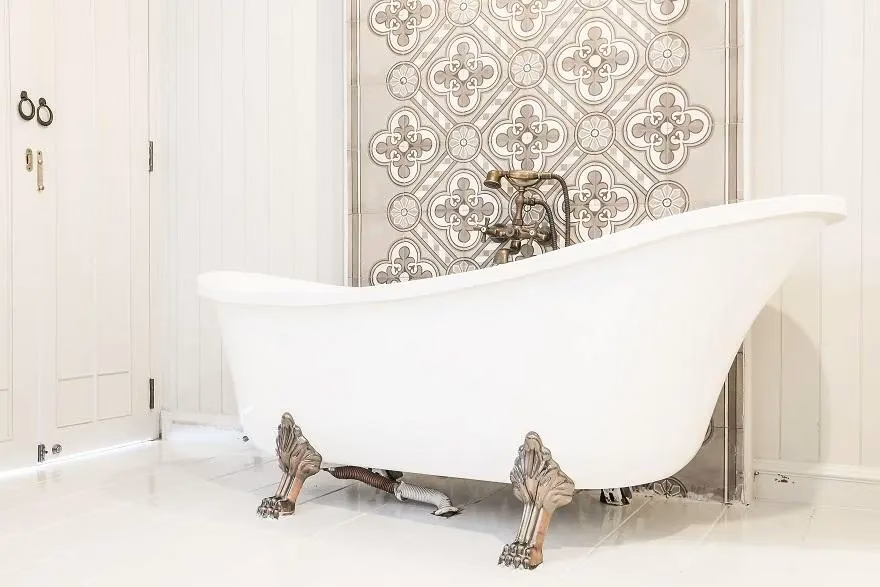
7. Clawfoot and Oval Tubs
Key Features: Old-fashioned look, deep for soaking.
Diameter Range: 16–30″. Size Range: 54–72″ length; 30–40″ width; 30″ deep.
Why choose: Infuses the traditional or vintage space with luxury and sophistication.
8. Japanese Soaking Tubs
What We Love: Small but very deep for sitting upright.
Sizes Available: 40–60\” length; 40–55\” width; 22–30\” depth.
Why choose: Luxury and water savings with a special bathing experience.
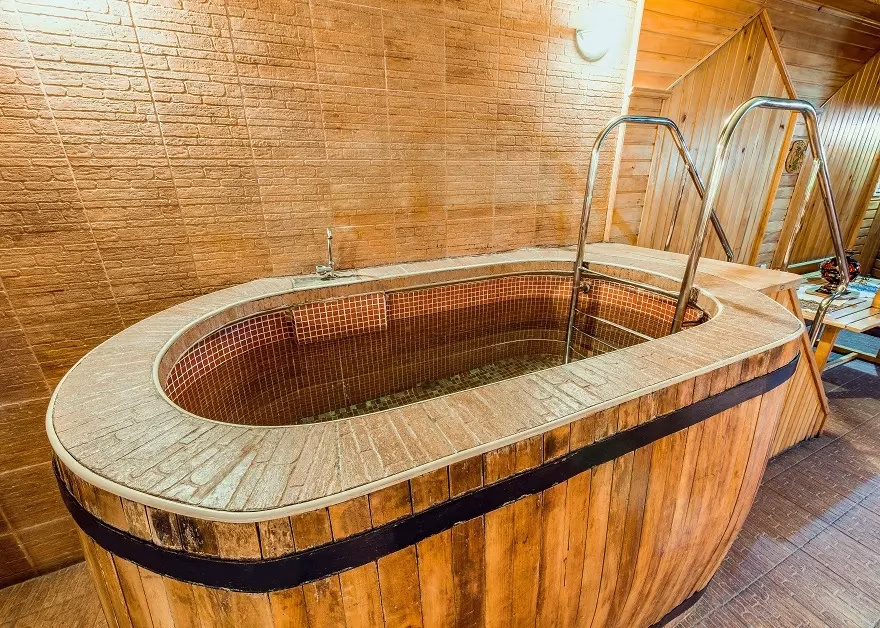
9. Garden Tubs
Key Specs: Deep and wide, built for soaking and luxury.
Dimensions: 60 to 70 inches long; 42 to 50 inches wide; 24 to 30 inches deep.
Why choose: Spa-like peace and a high water capacity for large baths.
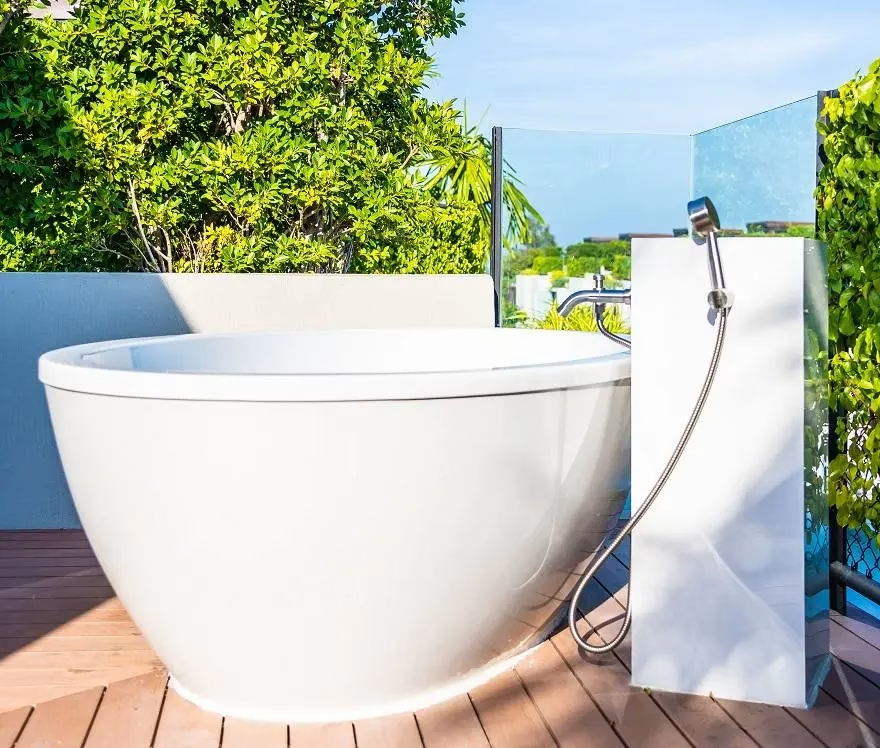
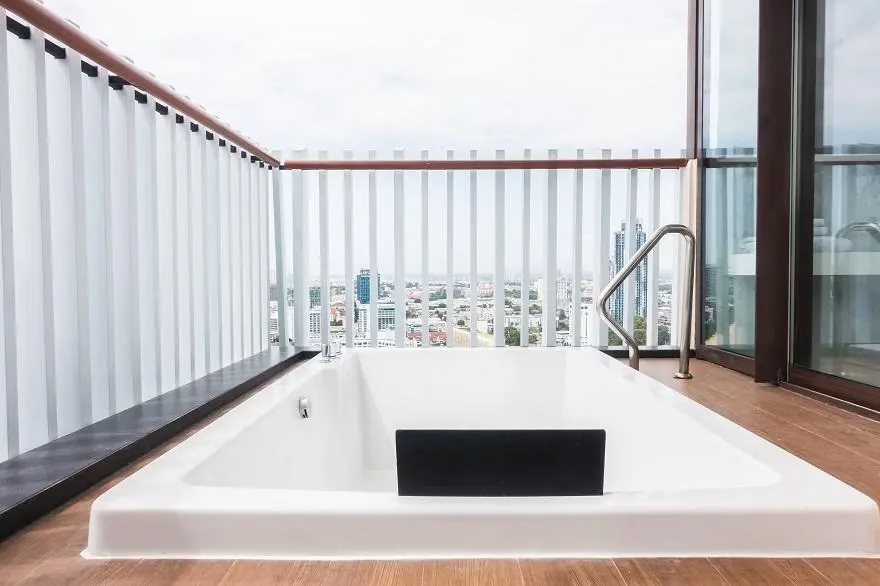
10. Long Bathtubs
Features: 61″Extended length for gag users h.sep asurement: approx.
Average dimensions: 66–72″ length; up to 36″ width; up to 22″ depth.
Why Choose: More space for spa enjoyment.
How to select a bathtub size for your bathroom
When it comes to choosing a bathtub, it’s not a one-size-fits-all question of selecting the biggest, prettiest offering on the market. Consider the following:
1. Assess Your Space
- Take the space you have in your bathroom, including walls, doors, windows and any fixtures.
- Pull out plans or a basic floor plan to see how different tub styles would affect room flow.
2. Consider Who Will Use It
- Families with children: Go for a wider, standard-depth tub that has slip-resistant surfaces.
- Seniors or people with disabilities: Choose a walk-in tub, or an extra sturdy, shallow model.
- Luxury seekers: Look for deep soaking or whirlpool designs.
3. Think About Comfort
- Sit down in a sample tub at a showroom (clothed) to test for comfort, especially for soaking.
- Look for a comfortable back angle, arm rest options, pillow choices, and depth in soaking.
- If you are tall, look for plenty of shoulder-to-toe room and deep enough to soak.
4. Match Style With Function
- Large bathrooms are centered on a modern freestanding tub.
- For traditional homes, clawfoot or oval models might look best.
- Opt for drop-in or undermount tubs to get a streamlined, hidden installation.
5. Plan for Plumbing
- Drain Location: How it lines up with your current plumbing (left, right, center, or custom); moving the drain adds labor cost and time.
- Faucet Type: If you choose a deck- or wall-mounted or freestanding faucet, you use up some space too.
6. Double-Check Hot Water Needs
“I feel it is way more mindful of our water use in general, and we use a lot of hot water to fill the tub.” Larger, deeper tubs need more hot water. Make sure your water heater can handle it — you want a capacity that accommodates at least 70 percent of the tub’s fill volume if you’re planning hot soaks.
7. Factor in Budget
The price of a bathtub is directly related to its size, luxury options (jets, lights, chromatherapy), and higher-grade materials are an additional cost. And don’t overlook installation, plumbing and tiling expenses.
Cost Concerns: What is the Price Difference Based on Size?
For the most part, if you have an oversized or luxurious tub, expect to pay at the upper end. Factors affecting cost include:
- Overall size and fill capacity (which affect materials and hot water consumption)
- Unique designs and custom builds
- Other options (jets, heater, lights, chromatherapy)
- Installation labor (moving larger units may need at least two workers or floor bracing)
Affordable models are available, particularly with a standard alcove or acrylic drop-in style, but expect to pay more for freestanding, cast-iron, or luxury soaker models.
Case Snapshot: The Seamless Villa Upgrade
The Pain: A luxury villa developer wanted a centerpiece freestanding tub but faced a major technical hurdle: the existing floor drain was off-center, and tearing up the concrete slab would delay the project and shatter the budget.
The Solution: Through our comprehensive 3D bathroom space design, we engineered a custom Euro-American minimalist tub with a modified, offset drain cavity. We then paired it with a perfectly matched floating vanity and integrated lighting for a cohesive look.
The Result: The client avoided all structural demolition, saving thousands in labor costs, and received a unified, one-stop delivery that transformed the primary suite into a high-end, spa-like retreat.
FAQs
Q1: What is the average size of a standard bathtub in a residential home?
A1: The common size is 60 feet long, 30–32 inches wide, 14–16 inches deep — just right for one adult.
Q2: When it comes to standard bathtub sizes, is the listed number internal/inside or external/outside?
A2: Outside measurements are standard; be sure to check your bathing space for internal comfort before purchase.
Q3: Will a freestanding tub work in a small bathroom?
A3: No, space may be at a premium, but freestanding models can be as short as 55 inches. Account for clearance around all sides.
Q4:How deep is a soaking tub?
A4: Soaking depth in a typical bathtub is 14–20 inches, a deep-soaking or garden tub will go as far as 24–30 inches.
Q5: Are there any code or accessibility concerns?
A5: Yes, particularly for ADA compliance in public or multi-generational homes. And walk-in tubs and grab bars can keep you safe — and add value.
Conclusion
Selecting the proper bathtub is an investment in your comfort and your home’s value. In attending to bath specs before all else, accounting for both standard sizes and your own desires, you free up funds, eliminate surprises, and ensure that there’s a beautiful union of form and function in your room.
For the best premium bathtubs across all sizes, visit George Construction Group. Our professionals guide you every step of the way, ensuring security from measurement to installation.
Ready to Bring Your Whole-House Vision to Life?
Selecting the right bathtub is just the beginning of your property's transformation. Whether you are outfitting a single luxury villa or managing a multi-unit apartment complex, you need a partner who can scale with your ambition. Eliminate the friction of dealing with dozens of suppliers. We provide end-to-end, fully customized building materials—integrating your luxury sanitary ware, bespoke kitchen cabinets, premium doors, modern lighting, and full-house furniture into one cohesive, trade-priced package.
Submit your project details, architectural floor plans, or itemized lists below, and let our experts streamline your procurement process today.