When choosing the right windows for your home, the decision will usually come down to style, functionality, and user-friendliness. Two of the most popular options homeowners have at their fingertips are sliding windows and casement windows. Each has its own distinct benefit to the homeowner—either the wide, sleek appearance of sliding windows or the classic, airy charm of casement windows.
But which is best for your property? The answer is not always clear-cut. Your choice depends on how much ventilation you need, the look you’re going for, and even practical aspects such as maintenance and cleaning. In this guide, here, we are going to break down sliding windows vs casement windows in a way that is easy to read, brief, and tailor-written for apartment and villa owners who want to make well-informed, long-term decisions for their properties.
What is a Casement Window?
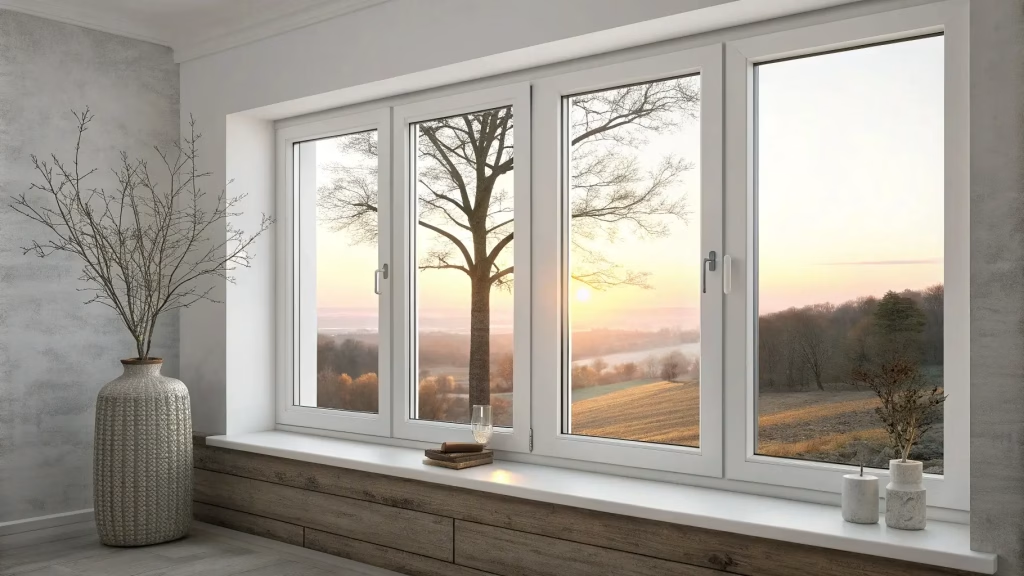
Casement windows are hinged windows that open in or out and operate almost like a door. Instead of sliding on a track, they open by swinging, so they are one of the oldest but most reliable types of windows.
One of the best things about them is ventilation—you can fling them open wide and get a good strong gust of air. They are also securely locked, offering you safety alongside peace of mind. Adding to the mix, their vintage style provides them with a touch of class, so they are suitable for both old and new homes.
You would frequently find casement windows in villas, apartments particularly when the owners prefer to open up scenic views and have large airy openings. Their fashionable appearance, combined with functionality, makes them a top choice for luxury residential developments.
What is a Sliding Window?
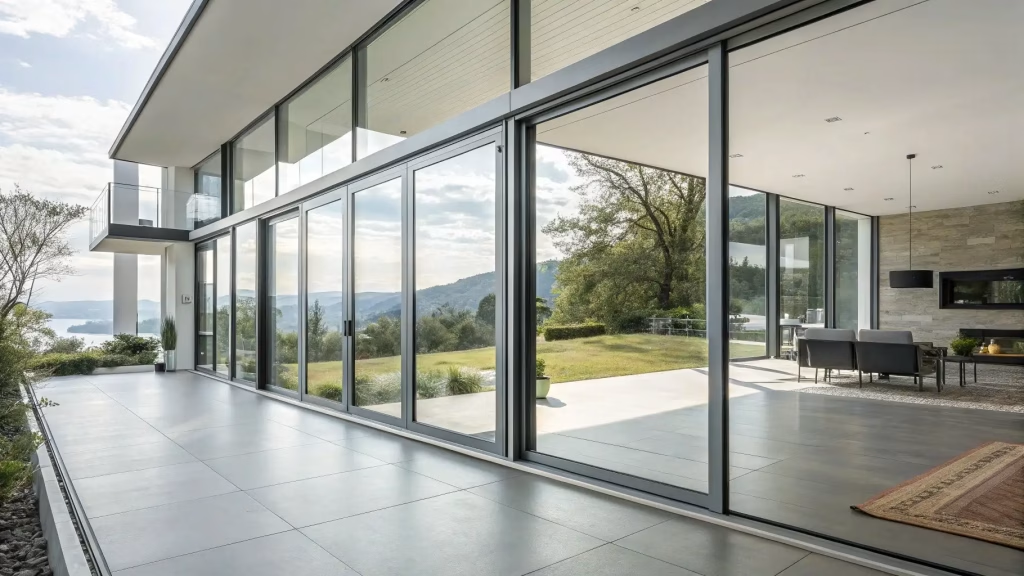
Sliding windows, which precisely sound like they do, move horizontally along a track instead of open by swinging. They’re actually quite easy to operate—give it a push or a pull, and you’re done. This makes them convenient to use, especially where you don’t want the sash of the window swinging into your living space.
They are modern, sleek, and very space-saving, which is the reason behind their huge popularity among apartment residents and city dwellers. For example, if you live in a city apartment with limited space, then sliding windows offer you all the natural light and fresh air without taking up any extra space.
Because of their streamlined look, sliding windows also suit contemporary architecture perfectly, so they’re the perfect option for whoever wishes to join functionality and looks.
Sliding Windows vs. Casement Windows: How Are They Different?
Homeowners comparing sliding windows vs casement windows take into consideration a variety of issues, including ventilation, energy efficiency, and overall appearance. Both come with advantages, and the best choice typically depends on your house, lifestyle, and finances. Let’s walk through this step by step so you can better determine what really works for your home.
1. Ventilation
Casement windows open very wide—nearly like swinging doors—so they can trap wind and admit high levels of airflow. They are hence an ideal choice for spaces where air movement of fresh air is important. For instance, the majority like to fit them in living rooms or bedrooms with courtyard or garden views. You could even have inward-opening casement windows if you desire flexibility.
Sliding windows, however, open no more than half way because one is stationary. That reduces airflow versus casements but it does provide you with more-controlled ventilation, which, in urban apartments where you don’t want too much dust or outside air entering, can be beneficial.
2. Energy Efficiency
One of the biggest benefits of casement windows is the way they seal so well against the frame. Locked, they make a tight seal that prevents any drafts and maintains your indoor temperature level consistent. With accessories such as casement window screens, you also have energy efficiency with pest protection.
Sliding windows are similarly not all that far behind either, particularly if you opt for modern double-glazed glass. Though they do have the tendency to let a bit of air leak out from the area around the tracks, energy-efficient types do exist where they can be just as efficient for homes and apartments.
3. Natural Light
If you like your rooms to be bright, sliding windows are the fashionistas. With their broad glass panes, they introduce light into the interiors and provide you with sweeping outer vistas, a favorite in city flats.
Casement windows, although they do have a bit of frame than sliding windows, get the same amount of natural light. Plus, with the right size (see this guide on choosing the right casement window size), you can maximize both brightness and style.
4. Space Saving
The best advantage of sliding windows is that they do not swing open but, instead, slide horizontally along a track. That makes them perfect for thin or limited spaces like apartment balconies, corridors, or tiny rooms where every inch counts. You won’t have to bother about the clearance area inside or outside the room, a big sigh of relief in urban life.
Casement windows, however, open in (or out, depending on the type). While this does not cause any problem to villas, garden houses, or those buildings that have plenty of space, it might be judged as inconvenient in the dense city surroundings. For small city apartments, the extra space needed to open a casement might be a problem.
5. Safety
In security, casement windows are generally ahead. They possess multi-point locking mechanisms that bolt the sash in several points on the frame, making them hard to open by force.
This gives a homeowner an added sense of security, especially in villas or ground-floor homes where intruders are likely to enter. Even traditional window types like sash or single-hung windows cannot match the security of a well-secured casement.
Sliding windows are also secure but generally require additional support such as strengthened locks, security bars, or strengthened locking mechanisms. They can be more vulnerable to being forced open if they do not have them, however. Still, for modern apartments in urban areas, improved sliding window locks are quite adequate security for residential use.
6. Cleaning
Cleaning windows is a true chore—especially if you live on the top floor. Sliding windows are much more convenient to clean, though, because their panels glide over each other along a track, which typically allows you to clean both the inside and outside surfaces from the inside. Apartment dwellers will enjoy this luxury.
Casement windows, however, could be harder to clean—especially those opening outward on upper floors. Specialized tools, ladders, or professional cleaning services may need to be used to safely clean the exterior glass. That being said, modern casement window designs often include such features as easy-clean hinges or removable screening systems to make maintenance easier for homeowners.
7. Cost
Sliding windows tend to be cheaper. They have minimal designs, fewer moving parts, and are simpler to install. All these make them a good fit for budget-conscious owners, landlords, or those replacing apartments on a budget.
Casement windows, however, are more costly. The additional cost is attributed to their hardware—hinges, multi-point locks, and exact fitting requirement. But the majority of homeowners find casement windows to be a long-term investment worth making. They not only provide superior security, but they also help to enhance the entire appearance and atmosphere of the home. In the long term, their higher upfront cost can ultimately pay off in terms of increased property value and reduced energy usage due to their tight seal against air leakage.
8. Resale Value & Long-Term ROI
In planning for the long term, your windows can also add to your home’s value.
- Casement windows can be considered a luxury amenity in luxury villas. Their elegant appearance, unobstructed views, and strong energy efficiency can make a home more desirable to potential buyers who value style and comfort. In luxury homes, this can translate to a higher resale value.
- Sliding windows, on the other hand, are low-priced yet practical. While they lack the “luxury” factor, they are also attractive to prospective buyers looking for contemporary apartments. Their space-saving design and budget-friendly price make them a smart investment for apartments or small houses, offering a worthwhile return without exceeding the price range.
Which is Better: Sliding Windows or Casement Windows?
Ultimately, the question isn’t which window is most universally “better,” but rather which one is best for you. Each of the sliding and casement windows has its own set of unique benefits, and making the correct choice will depend on your life, where you live, and what kind of feel you wish your home to have.
For luxury homes and villas, however, casement windows are the preferred choice. Large openings, solid locking systems, and traditional styling make them ideal for spaces that appreciate views, breezes, and timeless elegance. They also complement high-end building designs beautifully, bringing an air of sophistication.
In contrast, apartments and modern urban homes prefer sliding windows. They’re functional, easy to operate, and budget-friendly—the best for balconies, compact rooms, and spaces where functionality is just as magnificent as appearances. And since their big panes are glass, they can allow natural light inside in the greatest amount possible, which is one big plus when dwelling in the city.
Final Takeaway
There’s no such thing as a simple answer when choosing between casement windows vs. sliding windows. Whether you’re constructing or re-developing, determine what matters most to you: Do you yearn for wide-open ventilation and sophisticated ambiance? Casement might be your best option. Do you need functionality, modern aesthetic appeal, and intelligent space utilization? Sliding might be your best choice. The “better” choice is always the one that best fits the needs and habits of your home.
Conclusion
Both sliding windows and casement windows bring their own blend of beauty, comfort, and function to a home. Whether you’re after the classic charm and wide-open views of casement windows or the space-saving convenience of sliding windows, the right choice really comes down to your lifestyle and your home’s design.
Before deciding, it’s always smart to talk with professionals who can guide you based on your space, budget, and long-term needs.
At George Construction Group, we offer a wide range of both casement and sliding windows designed for villas, apartments, and everything in between. Explore our collection today and find the perfect windows to match your home.