A new sliding glass door can completely transform a room, flooding it with natural light and creating a seamless connection to the outdoors. Here comes a significant question: what is the cost to install sliding glass door? Understanding the cost to install a sliding glass door is key to planning your project effectively. This guide breaks down everything you need to know, from average prices and long-term value to the specific factors that will shape your final budget.
Average Cost to Install a Sliding Glass Door: A Detailed Breakdown
So, what can you expect to pay? On average, the professional cost to install a sliding glass door ranges from $1,500 to $4,500, with most homeowners spending around $2,800. This price typically includes the door itself, labor, and necessary materials for a standard replacement installation.
However, this range can vary widely. Here’s a more detailed look at potential cost scenarios:
Project Tier | All-in Cost Range | Description |
Budget-Friendly | $1,000 – $2,000 | A standard-sized vinyl door with basic double-pane glass, replacing an existing door of the same size. |
Mid-Range | $2,000 – $4,500 | A quality fiberglass or aluminum door with energy-efficient Low-E glass and possibly some upgraded hardware. |
High-End / Custom | $4,500 – $10,000+ | A large, multi-panel wood or high-end fiberglass door with premium glass, custom hardware, and potentially a new opening. |
Here’s a quick look at how the individual costs break down:
- Door Unit Only: $400 – $3,500+
- Labor for Installation: $300 – $1,200
- Removal & Disposal of Old Door: $100 – $300
Keep in mind that this is a general estimate. The final sliding door cost will depend on the specifics of your project, your location, and the contractor you hire.
Key Factors That Affect Your Sliding Glass Door Cost
Several key variables can influence the total price of your installation. By understanding these factors, you can make choices that align with your budget and your home’s needs.
1. Door Size and Number of Panels
The dimensions of your door significantly influence the cost. While standard patio doors are often 72″ x 80″, widths can range from 30 to 96 inches. The number of panels also plays a major role.
- Standard Two-Panel Door: This is the baseline for most cost estimates. The materials for a standard two-panel door typically cost between $400 and $1,500.
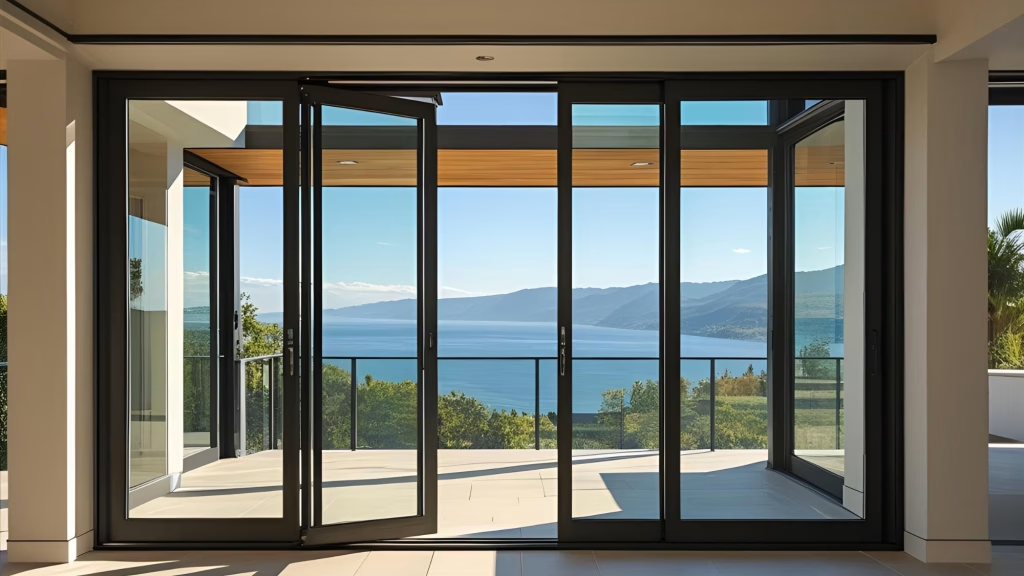
- Multi-Panel Doors: Larger openings can accommodate three, four, or even six panels. These create a much wider, more dramatic opening but require more material and a more complex installation process. A six-panel unit can range from $3,500 to $6,500 for the materials alone.
- Custom Sizes: If your opening isn’t a standard dimension, you’ll need a custom-built door. This adds to the overall expense due to specialized manufacturing.
2. Frame Material: Pros, Cons, and Costs
The material you choose for the door frame has a major impact on price, durability, and maintenance. Here are the material costs for the door unit alone:
- Vinyl ($300 – $1,200): The most budget-friendly option.
- Pros: Low-maintenance, energy-efficient, and resistant to moisture.
- Cons: Fewer color choices and can sometimes feel less substantial.
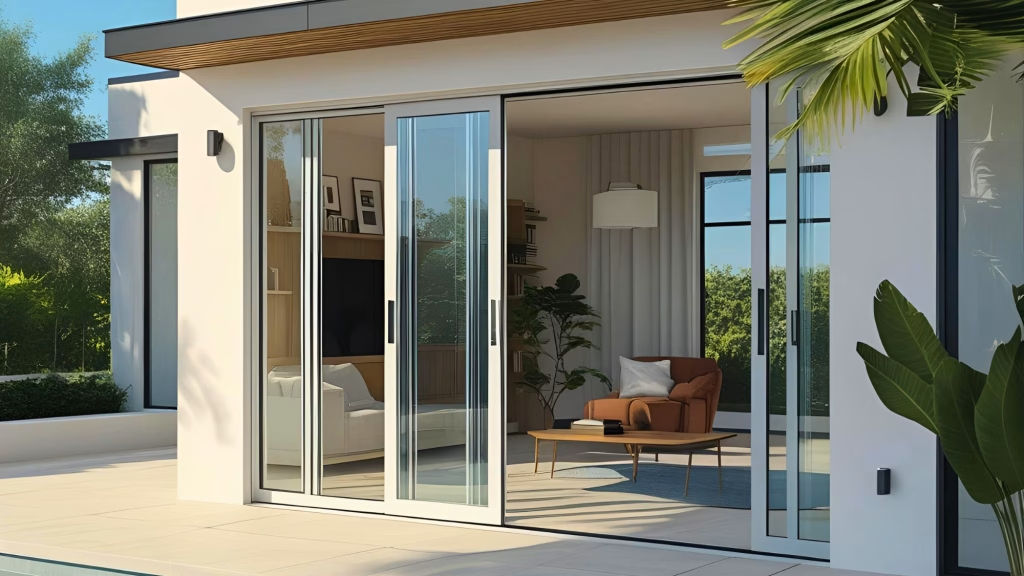
- Aluminum ($600 – $2,500): A strong and durable choice, especially for modern homes. Our aluminum glass doors offer a sleek, contemporary look.
- Pros: Strong, lightweight, and weather-resistant.
- Cons: Standard aluminum is less insulating.
- Wood ($1,000 – $5,000): Offers a classic, high-end look with excellent natural insulation.
- Pros: Beautiful, traditional aesthetic.
- Cons: The most expensive option and requires regular maintenance.
- Fiberglass ($800 – $3,500): A great all-around option that balances cost and performance.
- Pros: Extremely durable, highly energy-efficient, and can be painted or stained.
- Cons: More expensive than vinyl.
- Steel ($2,000 – $4,000): A highly durable and versatile option.
- Pros: Very strong and secure.
- Cons: Can be prone to denting and rust if not properly maintained.
3. Type of Glass: Balancing Efficiency, Safety, and Budget
The glass itself is a crucial component, affecting energy efficiency, security, and the overall cost to replace a sliding glass door.
- Tempered Glass ($400 – $1,000 per unit): A critical safety feature required by most building codes. It’s designed to break into small, less harmful pieces. This is a non-negotiable safety baseline. You can learn more about its properties on Wikipedia.
- Low-E (Low-Emissivity) Glass ($100 – $800 per panel): A highly recommended upgrade. This glass has a coating that reflects heat, saving you money on energy bills.
- Insulated/Gas-Filled Glass ($400 – $600 per unit): These units have multiple panes of glass with an inert gas like argon sealed between them for enhanced insulation.
- Hurricane-Proof/Impact-Resistant Glass ($300 – $3,000 per unit): Essential in storm-prone regions. Large, multi-panel doors with hurricane-proof glass can cost $1,000 to $4,000.
- Soundproof Glass ($1,200 – $4,000 per unit): A valuable investment for homes in noisy areas.
- Textured Glass ($500 – $1,000 per unit): Chosen for privacy and aesthetic appeal.
Component Category | Material/Type | Average Cost Range (Materials Only) |
Frame Material | Vinyl | $300 – $1,200 |
Aluminum | $600 – $2,500 | |
Wood | $1,000 – $5,000 | |
Fiberglass | $800 – $3,500 | |
Steel | $2,000 – $4,000 | |
Glass Type | Tempered Glass | $400 – $1,000 (per panel or unit) |
Low-E Glass | $100 – $800 (per panel or unit) | |
Insulated/Gas-filled Glass | $400 – $600 | |
Hurricane-Proof/Impact-Resistant | $300 – $3,000 | |
Soundproof Glass | $1,200 – $4,000 | |
Textured Glass | $500 – $1,000 |
4. Additional Features and Customizations
You can add several features to enhance your door’s functionality and style, each affecting the final price.
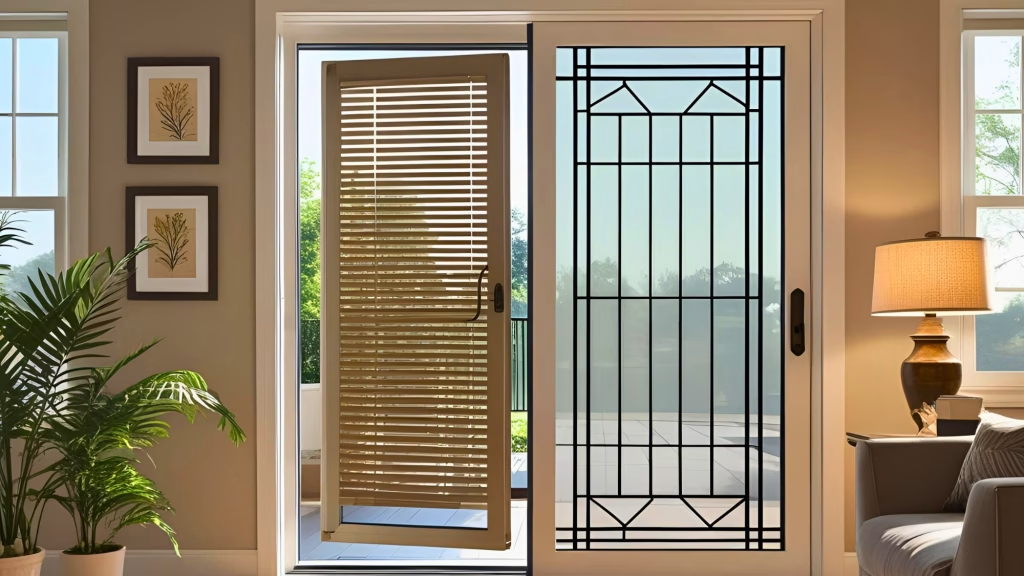
- Built-in Blinds: Blinds sealed between the glass panes are a popular, low-maintenance option that never needs dusting.
- Grids or Grilles: These can be placed between the glass panes or on the exterior to give the door a more traditional, multi-light look.
- Upgraded Hardware: Custom handles in various finishes (like matte black or brushed nickel) and high-security multi-point locking systems will add to the cost.
- Pet Panels: Some manufacturers offer doors with a built-in pet door for convenience.
- Screen Doors: A screen is essential for letting in a breeze without the bugs. When considering options, it’s helpful to know which screen door material is best for your climate and needs.
5. Labor and Installation Complexity
Labor costs can vary based on your geographic location and the complexity of the job. A simple replacement of an existing door will cost less than a new installation that requires cutting an opening in a wall.
- Replacement: If you’re just swapping out an old door for a new one of the same size, the labor will be straightforward.
- New Construction: Creating a new opening is a major project. It involves cutting through exterior and interior walls, adding a supportive header, framing the opening, and finishing both the inside and outside. This significantly increases labor time and the cost to install a sliding patio door.
- Structural Changes: If the wall is load-bearing, the new door will require a larger, more robust header for support, which adds another layer of complexity and cost.
It’s Time to Replace Your Sliding Glass Door
Do you need a full replacement? Here are some common signs that your old door is past its prime:
- Difficulty Opening and Closing: If the door sticks, grinds, or is hard to move, the rollers or track may be worn out or damaged.
- Drafts or Water Leaks: Feel a breeze or see moisture around the edges? This means the weatherstripping has failed, leading to energy loss and potential water damage.
- Condensation Between Panes: Fog or moisture trapped between the glass panes indicates that the seal has broken, compromising the door’s insulating properties.
- Visible Damage: Cracks in the glass, a warped frame, or rotting wood are clear indicators that a replacement is needed.
DIY vs. Professional Installation: A Cost-Benefit Analysis
To save on labor, you might be tempted to install the door yourself. While DIY can be rewarding, installing a sliding glass door is a challenging project that requires precision and strength.
The DIY Route
- Potential Savings: The primary appeal of DIY is saving on labor costs, which can range from $300 to $800 or more. The materials-only cost for a DIY project can range from $300 to over $3,000.
- The Risks: This is not a simple project. An improper installation can lead to serious problems. A door that isn’t perfectly level, plumb, and square can be difficult to open and close. Poor sealing and flashing can lead to major water leaks and drafts, which can damage your floors and subfloor and dramatically increase your energy bills. This can ultimately skyrocket the cost to fix a sliding glass door down the line. A mistake could mean you have to hire a pro to fix it anyway, erasing any initial savings.
Hiring a Professional
- Guaranteed Quality: A professional installer has the specialized tools, knowledge, and experience to do the job right the first time. Their labor costs typically range from $200 to $1,000, depending on the job’s complexity.
- Time and Convenience: A pro can typically complete the installation in a single day (3-6 hours), whereas a DIY project could take an entire weekend or longer for an inexperienced person.
- Peace of Mind: Professional installation often comes with a warranty on the labor. If there’s an issue with the installation, they will come back and fix it. This protects your investment.
The following table provides a comprehensive comparison between DIY and professional installation:
Project Snapshot: Resort Villa Indoor-Outdoor Flow
The Pain: A boutique resort developer needed to replace 20 aging patio doors. Standard retail doors caused air drafts and water leaks, and sourcing them separately from the bathroom vanities and interior doors resulted in a fractured "mismatched" design aesthetic across the suites.
The Solution: Operating as their one-stop building materials partner, we engineered thermally-broken aluminum sliding glass doors perfectly color-matched to their new custom bathroom vanities and interior doors. We managed the entire structural header installation to ensure weather-tight performance.
The Result: The resort achieved a seamless, sophisticated design continuity. Energy efficiency improved by 40%, and the developer saved 25% on total procurement costs by consolidating their glass, cabinetry, and sanitary ware orders with us.
Category | DIY Installation | Professional Installation |
Advantages | • Potential labor savings ($300-$800) • Materials-only cost ($300-$3,000) | • Safe, correct, and efficient installation (often 1 day) • Ensures proper fit, even for unique spaces • Access to specialized equipment and materials • Guaranteed lasting work and long-term performance • Compliance with building codes (e.g., tempered glass) |
Disadvantages | • Requires advanced home improvement skills • Takes longer (several days) • May require purchasing new tools/hardware | • Higher labor costs ($200-$1,000) |
Cost Implications | • Savings on labor, but potential for higher costs if mistakes occur | • Increased labor costs, but ensures proper installation and avoids future repair costs |
Timeframes | • Likely several days | • Typically 1 day (3–6 hours, up to a full day for complex jobs) |
Risks | • High risk of injury from handling large glass • No warranty for mistakes • Potential for costly long-term fixes due to errors | • Minimal risk to homeowner • Work is typically backed by a warranty |
Conclusion: A Bright Investment for Your Home
The cost to install a sliding glass door is a significant investment, but it pays off in daily enjoyment, abundant natural light, and enhanced home value. By choosing the right materials and features for your needs and leaving the installation to a qualified professional, you can ensure your new door will be a beautiful and functional part of your home for years to come. Ready to take the next step? Visit George Construction Group to explore our full range of door and window solutions.
Streamline Your Full-House Interior Procurement
Selecting the ideal patio door is just one step of your property's comprehensive transformation. Outfitting a premium villa or managing a multi-unit apartment demands strict procurement oversight, not fragmented retail purchasing. Stop paying retail markups and managing disjointed supply chains. From custom glass door systems to full kitchen cabinetry, architectural doors, windows, and luxury furniture packages, we manufacture everything to sync perfectly with your blueprints.
Submit your architectural floor plans, design drafts, or itemized bill of quantities (BOQ) below to secure consolidated wholesale trade pricing: