Choosing a new bathtub is one of the most important decisions you will make for your bathroom renovation. This choice influences your bathroom’s style, your daily comfort, and your long-term maintenance commitments. The most common dilemma homeowners face is the porcelain bathtub vs acrylic. Each material offers distinct advantages, and the right choice depends entirely on your priorities, budget, and style.
This guide provides a clear, in-depth comparison to simplify the choice. We will provide tips and expert knowledge needed to choose the porcelain bathtub vs acrylic for yourself, and choose the perfect bathtub for your home renovation with absolute confidence.
What is a Porcelain Bathtub?
A porcelain bathtub is not made of solid porcelain. It is a composite fixture. It features a heavy and durable base material, traditionally cast iron or, more recently, stamped steel. This metal core is then coated with a thick layer of porcelain enamel. To create the final product, the tub is fired at extremely high temperatures, a process that fuses the enamel to the metal. This creates a hard, non-porous, and beautifully glossy surface that is exceptionally durable. This classic construction is a key factor in the consideration of porcelain bathtubs vs acrylic.
- Porcelain on Cast Iron: This is the premium option, known for its incredible strength and longevity. It is incredibly heavy, robust, and offers superior heat retention once it warms up.
- Porcelain on Steel: This is a lighter and more affordable alternative. It still provides a durable surface, but the thinner enamel coating is more susceptible to chipping than its cast-iron counterpart.
When you think of a traditional, classic bathtub, you are likely picturing a porcelain tub. Its substantial feel and timeless look are central to the porcelain vs acrylic bathtub choices.
What is an Acrylic Bathtub?
An acrylic bathtub represents a modern approach to bathtub manufacturing. These tubs are constructed from large sheets of solid-colored acrylic that are heated and vacuum-formed into a mold. To give the tub rigidity and strength, the underside is reinforced with fiberglass.
A key benefit of this construction is that the color is consistent throughout the material’s thickness. This means if you get a scratch, it will be the same color as the surface and therefore much less noticeable. The manufacturing process for an acrylic bathtub allows for incredible design flexibility, making it a favorite for contemporary bathroom designs. You can find acrylic tubs in a vast array of shapes, sizes, and even with built-in features like jets and ergonomic supports, a major advantage in the porcelain bathtub vs acrylic comparison.
Porcelain vs Acrylic Bathtub: Key Factors
To make an informed decision, you need to compare these materials directly across several key categories. The choice between a porcelain bathtub vs acrylic bathtub becomes much clearer when you examine their specific characteristics.
Durability and Lifespan
Durability is a major point of difference. Your choice here impacts how your tub will look after years of daily use.
- Porcelain: The baked-on enamel surface is incredibly hard and resistant to most scratches and chemicals. It will not fade from sunlight or cleaning agents. A high-quality, cast-iron porcelain bathtub can easily last for 50 years or more with proper care, making it a true long-term investment. However, its hardness is also a weakness. A heavy, sharp impact (like a dropped wrench) can chip the enamel. If that happens, the metal underneath can begin to rust if not repaired promptly with a specialized kit.
- Acrylic: As a softer material, acrylic is more prone to surface scratching from abrasive cleaners or sharp objects than porcelain. However, it is also more forgiving when it comes to impacts, as it has more flex and is very resistant to chipping and cracking. Because the color is solid throughout, minor scratches can often be buffed out with a fine-grit sandpaper and polishing compound, a key advantage for a busy family. The typical lifespan for an acrylic bathtub is around 10-20 years.
Heat Retention
If you love long, relaxing soaks, this is a critical factor in the porcelain bathtub vs acrylic showdown.
- Acrylic: Acrylic is the clear winner here for immediate and sustained warmth. The material itself is a natural insulator and feels warm to the touch even before filling. It does an excellent job of keeping your bathwater warmer for much longer, saving you from constantly adding more hot water.
- Porcelain: A cast-iron porcelain bathtub has excellent heat retention capabilities, but with a catch. The material itself is cold. When you first fill it, the heavy iron draws a significant amount of heat from the water until the tub itself warms up. Once hot, it will keep the water warm for a long time. Steel tubs are thinner and less effective at holding heat.
Maintenance and Cleaning
You want a bathtub that is easy to keep clean and looks new. The porcelain bathtub vs acrylic maintenance needs are different.
- Porcelain: The smooth, non-porous glass surface is very easy to clean. It resists dirt and grime, and you can use most standard non-abrasive bathroom cleaners without worry. The primary maintenance concern is checking for and repairing any chips promptly to prevent the underlying metal from rusting.
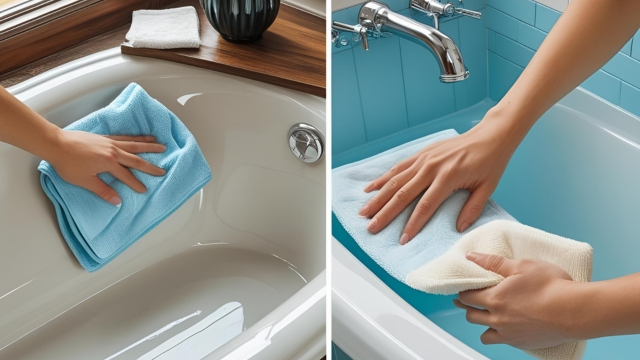
- Acrylic: The non-porous surface of an acrylic bathtub is also simple to clean. However, you must avoid abrasive cleaners (like powders) or scouring pads, as these will create fine scratches on the surface. A soft cloth and a gentle, non-abrasive liquid or spray solution are all you need.
Weight and Installation
This is a practical consideration that can significantly impact your installation costs and complexity.
- Porcelain: These tubs are extremely heavy. A cast-iron model can weigh between 300 and 500 pounds (135-225 kg). This weight often requires professional installation with a team of people and may even necessitate reinforcing the floor joists, especially if it’s on an upper story. This adds to the overall project cost.
- Acrylic: In the porcelain bathtub vs acrylic weight comparison, acrylic is the undisputed lightweight champion. Most acrylic tubs weigh between 75 and 100 pounds (34-45 kg). This makes them far easier to transport upstairs and install, even for a skilled DIYer. They do not require any special floor reinforcement.
Design, Comfort, and Versatility
Your tub is often the centerpiece of your bathroom, so its look and feel are vital. The porcelain bathtub vs acrylic options here are quite distinct.
- Porcelain: Porcelain tubs offer a classic, timeless beauty. Their high-gloss finish provides a sense of luxury and permanence. However, the design options are more limited, typically restricted to traditional shapes and standard alcove installations.
- Acrylic: This is where acrylic truly excels. The material can be molded into virtually any shape and size imaginable. You can find deep freestanding soakers, ergonomic reclining designs, corner tubs, and models with integrated armrests and lumbar support. If you want a jetted whirlpool or air bath, acrylic is your best and most common option.
Porcelain vs. Acrylic Bathtubs – Quick Comparison
| Feature | Porcelain | Acrylic | Quick Insight |
| Material | Enamel on cast iron/steel | Reinforced acrylic | Classic vs. modern, warm-to-touch feel |
| Weight | 300+ lbs (Heavy) | 75–100 lbs (Light) | Porcelain may need extra support; acrylic suits any space |
| Heat Retention | Fair to poor | Excellent | Acrylic stays warmer, saves energy |
| Durability | Scratch-resistant, brittle to impact | Impact-resistant, scratches more easily | Acrylic suits active use; porcelain for low-impact settings |
| Design | A few classic shapes | Many modern/custom shapes | Acrylic offers more design flexibility |
| Cost | Moderate to high | Low to moderate | Acrylic is more budget-friendly overall |
| Care | Needs gentle cleaners | Easy cleaning, DIY repairable | Acrylic is lower-maintenance and easier to fix |
Pros and Cons of Porcelain Bathtub vs Acrylic
Here is a quick summary to help you weigh your options in the porcelain vs acrylic bathtub debate.
Porcelain Bathtub
Pros:
- Extremely durable and scratch-resistant surface.
- Classic, high-end aesthetic that never goes out of style.
- Excellent longevity; can last a lifetime.
- Easy to clean and resistant to chemicals.
Cons:
- Very heavy, requiring difficult and costly installation.
- The surface can chip from heavy impacts.
- It can be slippery when wet.
- Higher initial cost, especially for cast iron.
Acrylic Bathtub
Pros:
- Lightweight and easy to install.
- More affordable than cast iron porcelain.
- Excellent heat retention for longer, warmer baths.
- Huge variety of shapes, sizes, and designs available.
- Scratches are less noticeable and can often be repaired.
Cons:
- Shorter lifespan than porcelain.
- The surface is more prone to scratching.
- It can feel less substantial or permanent than porcelain.
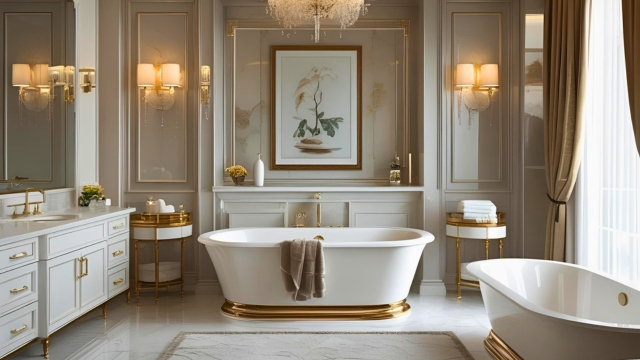
Alt Text: Luxury bathroom with gold-accented acrylic bathtubs and elegant decor.
Image Caption: Acrylic bathtub featured in a high-end bathroom renovation with gold accents and refined styling.
Which Bathtub Should You Choose?
So, after comparing the details of a porcelain bathtub vs acrylic, how do you make the final call?
The best choice is the one that aligns with your specific needs.
You should choose a Porcelain Tub if:
- Longevity is your absolute top priority, and you want a tub that will last for decades.
- You are designing a traditional, vintage, or luxury bathroom.
- Your budget can accommodate a higher initial cost and professional installation.
- The tub is on the ground floor, or your upper floors are already reinforced.
You should choose an Acrylic Tub if:
- You want the most design flexibility to get a unique shape or a jetted tub.
- Your budget is a primary consideration.
- You prioritize excellent heat retention for long soaks.
- The installation is on an upper floor, or you are looking for an easier installation process.
Once you have a clearer idea of the right material, you can explore a wide variety of high-quality bathtubs to find a specific model that excites you.
Case Snapshot: Luxury Resort Bathroom Integration
The Pain: A premium villa developer wanted the timeless aesthetic of high-gloss porcelain tubs for an upper-floor project but faced a dual crisis: the wooden subfloor joists couldn’t support the weight of cast iron, and sourcing separate vanities, doors, and lights from multiple vendors caused massive design fragmentation and a 4-week delay.
The Solution: Leveraging our 3D bathroom space design, George Group engineered lightweight, high-insulation custom acrylic tubs that flawlessly mimicked the stone-gloss finish. We bundled these tubs with perfectly color-matched floating vanities, moisture-resistant doors, and integrated lighting into a single factory-direct shipment.
The Result: The client saved thousands in structural reinforcement, eliminated vendor conflict entirely, and achieved a 100% style-harmonized, 5-star spa entryway delivered right on schedule.
Conclusion
The choice between a porcelain bathtub vs acrylic ultimately comes down to a choice between timeless durability and modern versatility. Porcelain offers a classic, substantial feel and a lifespan that is hard to beat. Acrylic provides endless design options, superior comfort, and a more accessible price point.
Neither choice is wrong; they simply serve different priorities. By understanding these key differences, you are now equipped to select the perfect bathtub that will serve as the foundation for your dream bathroom, a sanctuary you will enjoy for years to come.
Streamline Your Full-House Interior Sourcing
Selecting the ideal bathtub is just one step of an extensive property transformation. Outfitting a premium private villa or managing a multi-unit apartment complex requires rigorous procurement alignment, not loose retail purchasing. Stop paying retail middleman markups and managing fragmented supply chains. From custom wellness tubs and complete bathroom space planning to full kitchen cabinetry, architectural doors, windows, and designer furniture packages, we construct everything to sync directly with your blueprints.
Submit your architectural floor plans, design criteria, or itemized bill of quantities below to receive a consolidated factory-direct trade package quote: