When you’re planning to renovate your bathroom or just looking to spruce up the place, one of the best things you can do is install a new faucet because you can find one that’s perfect for you and your bathroom design.
Your bathroom sink faucet does more than just control the temperature and flow of water; it also adds a decorative and functional element to your bathroom. In this guide, we’ll break down the different types of bathroom faucets, give you the lowdown on how to choose the right type of faucet, and even teach you how to replace it yourself.
Types of Faucets by Mechanism
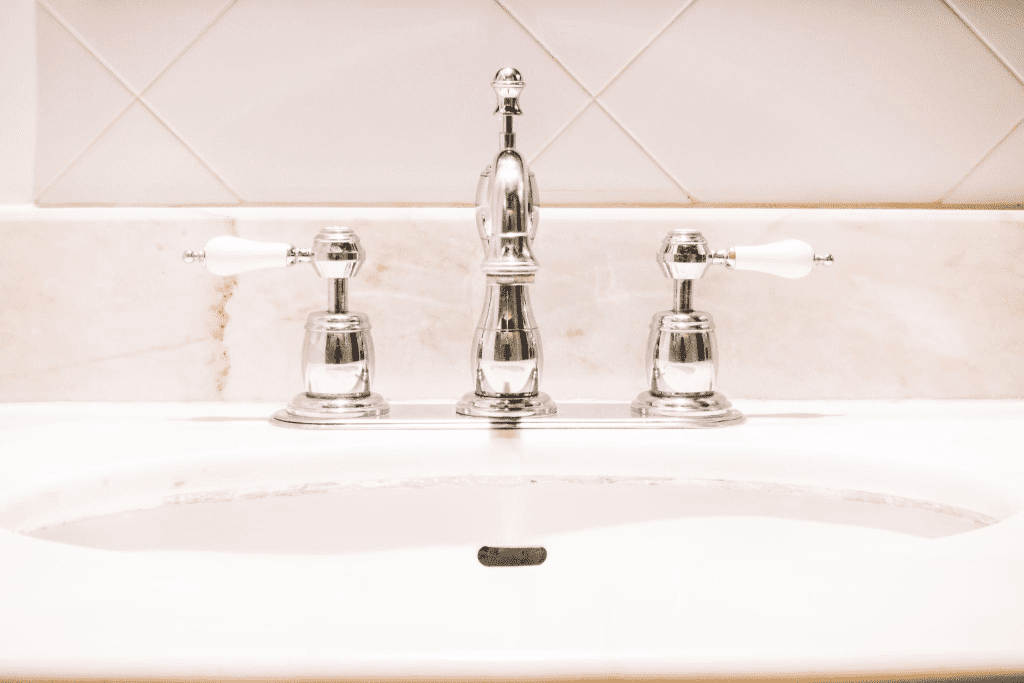
1. Compression Faucets
They are some of the oldest faucet types in existence and come with two handles to control hot and cold water. When you rotate the handle, the compression valve rises and lowers to restrict and release the flow of water. A classic model, they’re often widely recognized designs. However, they may need more maintenance due to washers that wear out when used.
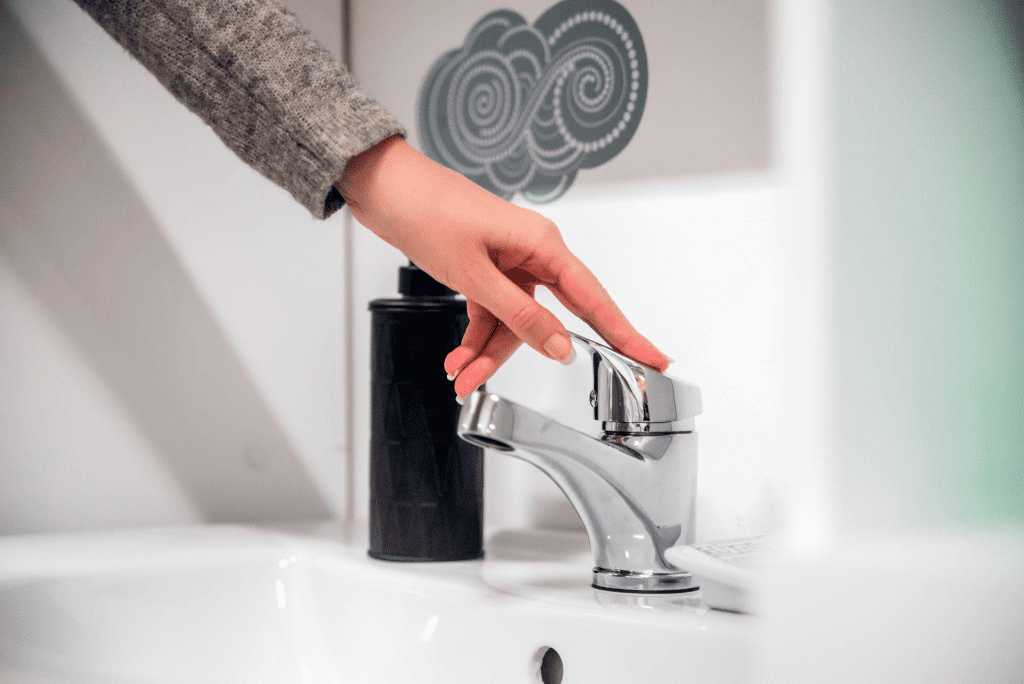
2. Ball Faucets
Ball faucets are common in modern kitchens and bathrooms. They are operated by a single handle that you move from side to side to set the temperature and turn on the water. The ball valve in the faucet is very comfortable to use and is extremely comfortable for the kitchen washbasin. They are also recognized for smoothness in running and long life.
3. Cartridge Faucets
This type of faucet is available with single or double handles and uses a cartridge to control the water. Cartridge faucets are mostly used because of their easy flow and longevity. They don’t need regular maintenance and frequently appear in bathrooms.
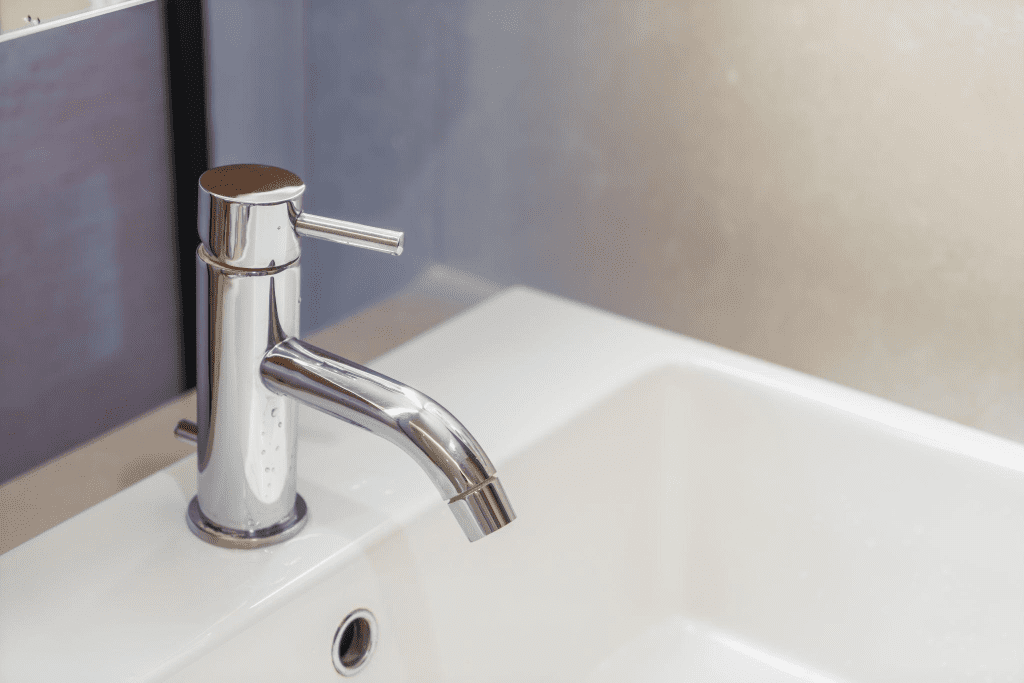
4. Disc Faucets
Disc faucets have a modern look and, for the most part, have a single handle and disc cartridge that regulates water flow and temperature. This faucet type is modern and functional, making it a good fit for today’s modern kitchen or bathroom.

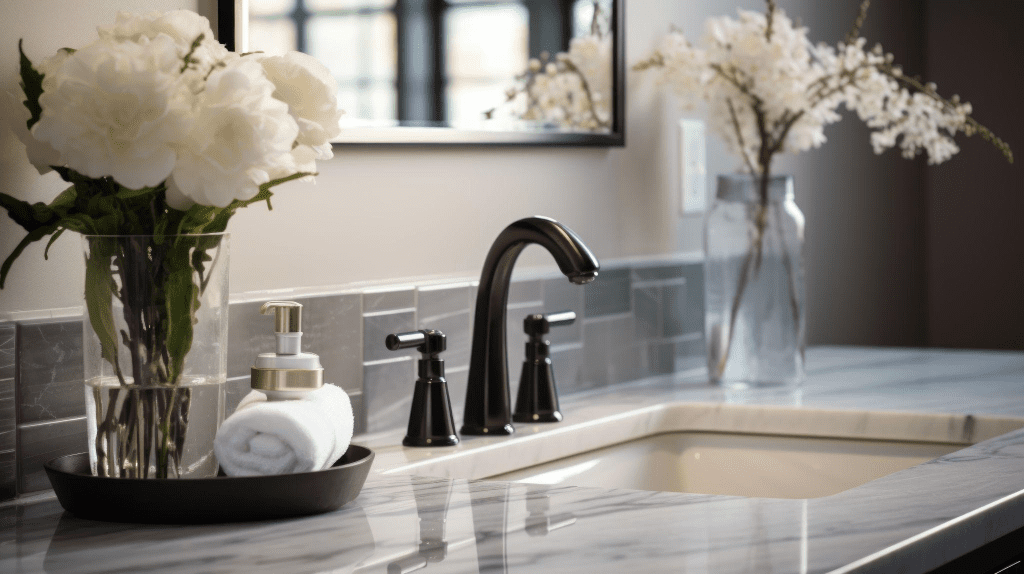
5. Widespread Faucets
Widespread lavatory faucets with separate handles for hot and cold are independent from the spout and can be mounted on the countertop or sink rim. These faucet types are great for bigger sinks or vanities and are usually selected for their timeless look. If you have a modern bathroom, this type of faucet is ideal for you.
Most Common Types of Bathroom Faucets
Knowledge of the different types of faucets is essential if you are considering buying one for your bathroom. There are a few types of faucets based on their design, with different advantages and features. Here’s a closer look at the most common faucet types:
1. Single-Handle Faucets
Convenience and Simplicity
Single-handle faucets are convenient and practical to use. In this type of faucet, you control both the water temperature and flow with a single lever. These faucet types are perfect for anyone looking for a minimalist aesthetic design that can fit well in most modern and transitional bathrooms.
3. Double-Handle Faucets
Classic Style and Precision
If you are looking for something more traditional, you can go with this type of faucet. Double-handle faucets allow you to control the temperature. The dual handle design allows you to adjust the hot & cold water temperature, as you desire. These are the type of faucets that can be most commonly seen in traditional and retro bathroom models. This type of faucet is also found in kitchen sinks.
4. Wall-Mounted Faucets
Sleek and Modern
Wall-mounted faucet styles work especially well for someone looking to accomplish a modern or industrial feel in a bathroom. These sink faucets don’t sit directly on the counter of the sink. These types of faucets are easy to clean and are long-lasting.
5. Vessel Faucets
Perfect for Raised Sinks
Vessel faucets are generally designed to be taller and fit with a vessel-style sink that is tall and bowl-shaped. These types of faucets usually are higher off the ground and a bit tricky to clear. But they give a lovely, theatrical effect to your bathroom. This faucet type pairs well with high-end, contemporary-style bathrooms.
6. Touchless Faucets
Hygienic and Efficient
Touchless faucet styles are a revelation for anyone seeking increased cleanliness in the bathroom. Thanks to their built-in sensors, you can turn the water on and off without ever having to touch the faucet. This helps limit the spread of germs, so this faucet type is a great pick for public bathrooms or households with children. This type of faucet is perfect for water-saving or restaurant bathrooms.
7. Widespread Faucets.
Compact and Efficient
Mini-widespread faucets are another small design of widespread faucets that have separate hot and cold handles for the desired temperature. They are most commonly used in smaller bathrooms or sinks where a full widespread faucet can’t fit.
Mini-widespread faucets, though smaller in both spout height and reach, still provide a traditional faucet style with ample space for handwashing. This faucet type is perfectly suited for small to medium-sized bathrooms or vanity sinks.
8. Bridge Faucets
Classic and Elegant
Bridge Kitchen faucets bring a classical and traditional aspect, and they have a unique design. It makes this type of faucet a remarkable choice for your kitchen or bathroom sink.
These are the faucets that come with separate hot and cold handles, and these faucet types are usually matched with farmhouse or vintage sinks.
Their exposed plumbing is not only what makes them so exceptionally old world delightful, but ultimately adds a high level of functionality. If you have traditional or vintage bathrooms and farmhouse outdoor sinks, then these types of faucets are perfect for you.
9. Pressure-Balanced Faucets
Safe to Use and Water Pressure Staying the Same
Pressure-balancing faucets are built on a non-scald and anti-hot principle of operation, which holds the water valve pressure to limit the risk of scalding that may result from sudden pressure changes.
You will find these types of faucets in showers and bathtubs because they eliminate the possibility of being scalded or frozen when the water pressure drops.
The pressure-balancing valve regulates the water pressure. Because of this, the water temperature remains in the safe zone for a more comfortable shower. This is a faucet type great for families with small children, older people, or anyone who desires a consistent water temperature.
10. Thermostatic Faucets
Precision Temperature Control
The thermostatic faucets are for the next-level temperature control. These faucet types have a thermostat so that you can adjust the water temperature. The faucet stays at the temperature you set, even if the water pressure shifts.
This is especially beneficial in homes in which multiple people share the same bathroom or when exact temperature control is needed for comfort or safety. Great for those who like water control on their tub/shower.
12. Pull-Down or Pull-Out Faucets Type
Versatile and Functional
Pull-down or pull-out faucets are more common in kitchen spaces. They can also be used in bathroom spaces. Particularly in spaces where extra flexibility in use is important.
So, these types of faucets boast a spray head that can be pulled down or pulled out to adjust the water flow. It makes them best for rinsing large sinks or tubs. This faucet type comes with a button to switch between flow and spray, for perfect flexibility.
Perfect for bathrooms with a larger sink, a freestanding tub, or those that require a little more reach over the edge of the sink when cleaning.
How to Choose a Bathroom Faucet
Picking a bathroom faucet is not just a style choice. It’s a balance of function, aesthetic, and durability. Here’s what to consider when you want to find the right type of faucet for your bathroom:
1. Sink Type Compatibility
The type of sink you own will determine the faucet for you. For instance, a pedestal sink generally calls for a wall-mounted faucet, whereas an undermount sink requires a deck-mounted faucet. Be sure to measure your sink before deciding.
2. Style and Finish – Aesthetic Appeal
There are various types of faucets that you can select for your bathroom. These faucets also have different finishes, including chrome, brushed nickel, matte black, golden, and antique brass. Your design choice will be directly dependent on your bathroom style.
If you’re going for a modern feel, a matte black or brushed nickel could complement your design aesthetic. A classic, old school bathroom would look amazing with a polished brass or chrome faucet type.
3. Flow Rate and Efficiency of Water – Conserve Water
Water saving is crucial when selecting a faucet. Choose a faucet with a Water Sense label that makes it easy to find faucets that run at 1.5 gallons per minute (GPM) or less. This faucet type enables you to save water but still provides a good flow of water for your usual needs.
4. Durability and Material – Choose Quality Over Price
High-quality materials, such as brass or stainless steel, are often more durable and resistant to corrosion than cheap plastic models. Brass bathroom faucet types are also praised for their ability to hold their finish long after installation without rusting.
5. Easy Maintenance – Keep It Clean
Not all types of faucets are specific to this given example. Some require more maintenance than others. Brushed exteriors, for instance, hold up against water spots and fingerprints more than polished ones. They are easier to keep clean. If you are the type who wants a faucet that looks good without much work, choose a matte or brushed finish, which will make smudges and grime less visible.
6. Consider Technology Features – Convenient, Smart, and Streamlined Faucets
Faucets that include smart features like temperature memory (which remembers the temperature you last set), touch-free controls, and built-in filtration systems can really change the game in terms of how easy your bathroom is to use and the quality of the water that comes out of your taps. Think about whether you would use these additional functions, and if they fit your budget.
How to Change a Bathroom Faucet
Changing your bathroom faucet might initially feel daunting, but if you have the right tools and some basic guidance, you can do this. Here’s your in-depth guide on how to remove & replace a faucet:
1. Turn Off the Water Supply
Before you do anything else, turn off the water at the shut-off valves under the sink. That should keep any water from escaping as you take out the old faucet.
2. Disconnect the Old Faucet
Unscrew the nuts that hold the faucet to the sink using a wrench or pliers. Once you loosen the nuts, carefully pull the old faucet away from its location.
3. Clean the Area
Get the surface ready by wiping down the space around the sink. Clean off any grime, lime buildup, or old caulk so that the new faucet will attach smoothly to the sink.
4. Install the New Faucet
Center the new faucet between the holes in your sink, and anchor it in place with the nuts. Install quickly hand press the push rod or screw it.
5. Reconnect the Water Supply
After determining the faucet is secured, reconnect the water supply lines to the faucet. Recheck connections and turn the water back on.
6. Test the Faucet
Turn the water on and inspect the faucet for leaks or other issues. If everything is working with no leakage, you’re all set!
Conclusion
A well-chosen bathroom sink faucet can even turn a utilitarian household item into a genuine style statement! Whether you prefer a traditional-style double-handle design or the sleek, modern take of a touchless faucet, knowing each type and its features will help you choose the model that works best for you. By considering the sink match, the style, the water performance, and the ease of installation, you can get a faucet that would best suit your bathroom.
To learn more about bathroom faucets and to see a selection of high-quality faucets, please visit George Construction Group. We have something for every bathroom.
Case Snapshot: Boutique Resort Faucet Integration
The Pain: A resort project manager struggled to match 50+ luxury vessel sinks with compatible faucet heights, leading to massive water splashing issues in guest rooms. Sourcing from fragmented vendors resulted in inconsistent finishes that ruined the high-end interior vibe.
The Solution: Leveraging our one-stop procurement service, we provided a 3D-matched set of vessel sinks and custom-height thermostatic faucets. We synchronized the brushed-gold finish perfectly with their suite’s lighting and cabinet hardware, shipping everything as a single project package.
The Result: The resort achieved a 100% harmonious visual aesthetic, zero water-splash maintenance complaints, and saved 25% on overall procurement logistics by avoiding multi-vendor shipping issues.
FAQs
1. What are the different types of bathroom faucets?
The most common types on the market are single-handle faucets, double-handle faucets, wall-mounted faucets, and touchless faucets.
2. How do I pick a faucet for my sink?
Begin with the size and type of sink. For instance, vessel sinks need taller faucets, and wall-mounted faucets often best serve pedestal sinks.
3. How long do bathroom faucets last?
The average lifespan of a bathroom faucet is 10-15 years, depending on the material and maintenance.
4. Am I able to replace a faucet on my own?
Yes, if you have the proper tools and follow the instructions carefully, changing a faucet is a DIY-friendly project.
5. How do you clean a bathroom faucet?
Cleaning your faucet frequently, staying away from abrasive cleaners, and inspecting for leaks on occasion will all help in maintaining its life.
Streamline Your Full-House Interior Procurement
Selecting the ideal faucet is just one small detail of your property’s comprehensive transformation. Outfitting a luxury villa or a multi-unit apartment demands strict procurement alignment, not fragmented retail purchasing. Stop paying retail markups and managing disjointed global supply chains. From custom bathroom spaces and sanitary ware to full kitchen cabinetry, architectural doors, windows, and luxury furniture packages, we manufacture everything to sync perfectly with your blueprints.
Submit your architectural floor plans, design drafts, or itemized bill of quantities (BOQ) below to receive a consolidated, factory-direct trade package quote: